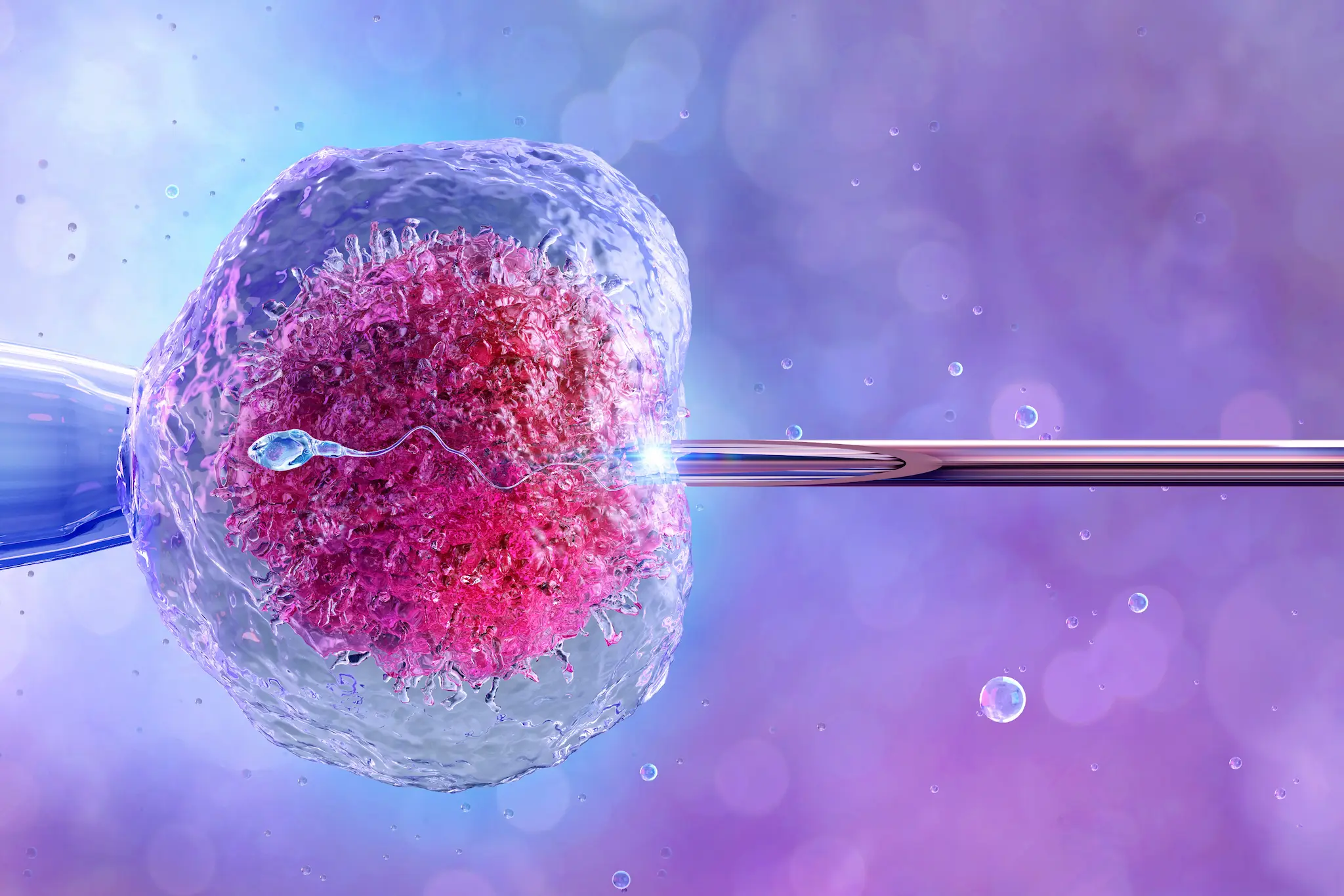
In Vitro Fertilization (IVF) is a procedure in which an egg—the female reproductive cell—and sperm—the male reproductive cell—are fertilized outside the body in a state-of-the-art laboratory setting, and the resulting healthy embryo is transferred into the uterus.
In Which Cases Is IVF Treatment Recommended?
IVF treatment is the most reliable and successful solution for cases where pregnancy cannot be achieved through natural means or assisted methods such as artificial insemination:- Both fallopian tubes are blocked, damaged, or have been removed,
- Insufficient sperm count, motility, or morphology (severe male infertility),
- Advanced maternal age (38 years and older) and diminished ovarian reserve,
- Advanced endometriosis and chocolate cysts,
- Unexplained infertility (failure to conceive despite all test results being normal),
- Selection of healthy embryos in couples who are carriers of genetic disorders (PGT).
“With the intracytoplasmic sperm injection (ICSI), laser-assisted thinning of the embryo’s zona pellucida, and AI-assisted embryo selection we perform at the Umay IVF Laboratory, you’re one step closer to realizing your dream of starting a family.”
Treatment Stages
- Initial Consultation and Personalized Treatment Plan: The most appropriate protocol is selected based on the couple’s medical history, hormone profiles, and sperm analysis.
- Ovarian Stimulation (10–12 Days): Hormone injections administered to the prospective mother facilitate the maturation of multiple eggs.
- Egg Retrieval (OPU): This is a comfortable procedure performed under light anesthesia that is completely painless and takes about 15 minutes.
- Laboratory Fertilization (ICSI / Microinjection): The highest-quality sperm cell is injected into the egg using a micro-needle.
- Embryo Development and Monitoring (Blastocyst Stage): The embryos are monitored 24/7 in special culture media until the 5th day.
- Embryo Transfer: The healthiest developing embryo is painlessly transferred into the mother’s uterus under ultrasound guidance.