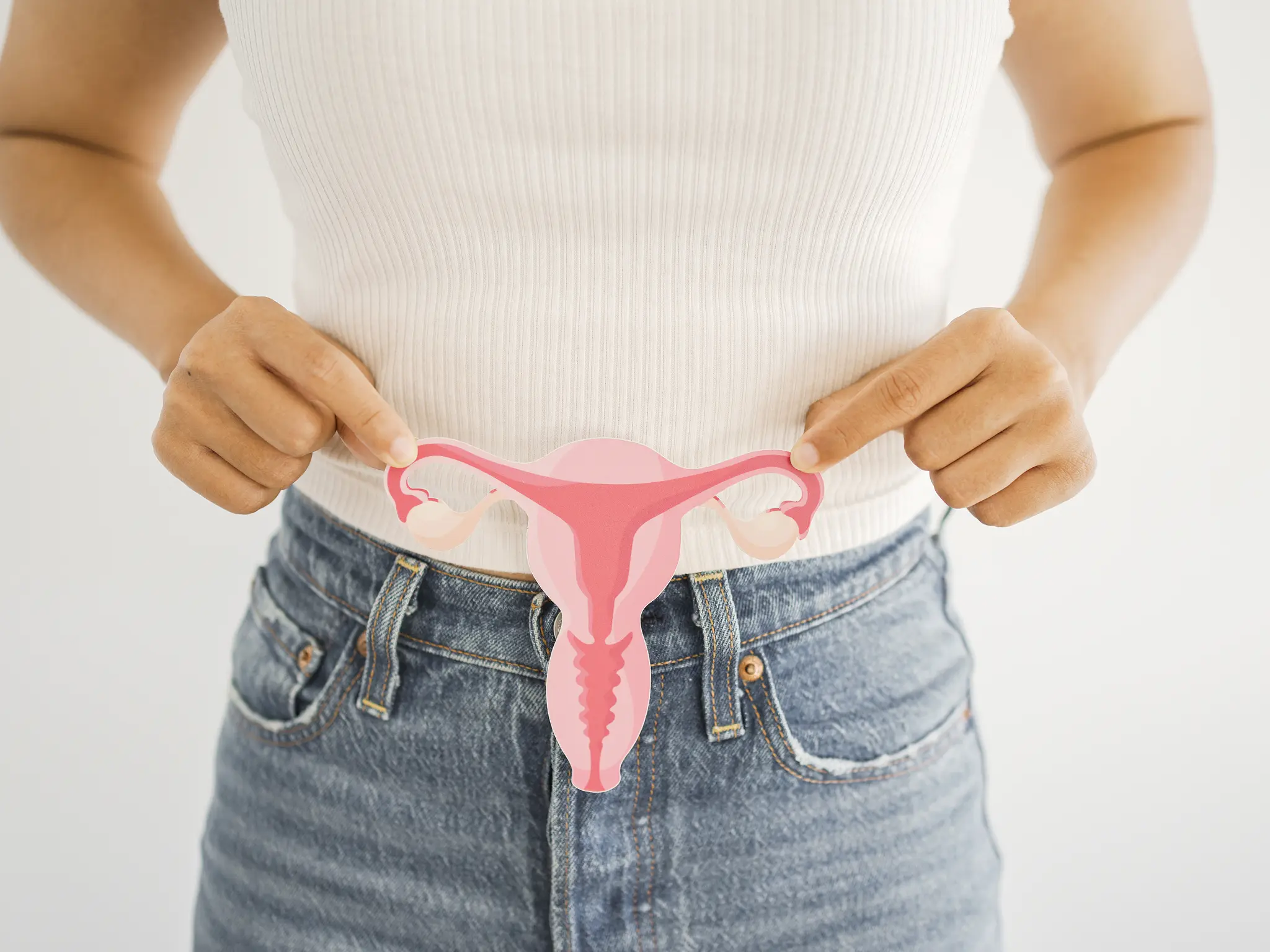
Polycystic Ovary Syndrome (PCOS) is a metabolic and gynecological condition that affects approximately 10–15% of women of reproductive age and is characterized by ovulation irregularities and hormonal imbalances. When an accurate diagnosis is made and personalized treatment approaches are implemented, pregnancy rates among women with PCOS are quite high.
The Relationship Between PCOS and Fertility
Although numerous small follicles are present in the ovaries in PMOS, due to hormonal imbalances, none of these follicles can mature and rupture (anovulation). This condition leads to irregular menstrual cycles and delays in conception. However, with the modern approaches implemented at the Umay IVF Center, this obstacle can be safely overcome.“PMOS is not a cause of infertility; it is an ovulation timing process that must be managed with the correct method. With personalized protocols, our success rates exceed 70%.”
What Are the Symptoms of PMOS?
PMOS can vary in severity from woman to woman. The most common clinical symptoms are as follows:- Menstrual Irregularity or Scarcity: Having fewer than 9 periods per year or cycles lasting longer than 35 days.
- Ovulation Problems: Failure of regular egg development and release.
- Signs of Hyperandrogenism: Increased facial and body hair, acne, and hair loss.
- Insulin Resistance and a Tendency to Gain Weight: Difficulty losing weight and fluctuations in blood sugar levels.
- Pearl-like Appearance on Ultrasound: Numerous small follicular cysts arranged around the ovaries.
PMOS Treatment Stages at Umay IVF
At our center, we create a completely personalized treatment plan for our PMOS patients rather than following standard protocols:- Hormonal and Metabolic Balancing: By managing insulin resistance and thyroid hormones, we enhance the ovaries’ responsiveness to treatment.
- Controlled Ovarian Stimulation (Ovulation Induction): Low-dose, precise hormone protocols are used to reduce the risk of OHSS (Ovarian Hyperstimulation Syndrome) to zero.
- Ultrasound and Hormone Monitoring: Follicle development is closely monitored by our specialist physicians to determine the optimal timing for the trigger shot.
- IVF or IUI Option: Depending on the couple’s situation, fertilization is achieved through intrauterine insemination (IUI) or intracytoplasmic sperm injection (ICSI).
- Embryo Freezing and Rested Uterus Transfer: In patients with PMOS, transferring frozen embryos after resting the uterus and allowing hormone levels to return to normal significantly increases the chances of success.