One of the most common questions asked by couples planning to have a child but unable to conceive naturally is, “Which is more appropriate: artificial insemination or in vitro fertilization (IVF)?” Although both methods are forms of assisted reproductive technology, their procedures, success rates, and reasons for being chosen differ from one another.
The right treatment choice is determined based on the woman’s age, the cause of infertility, her treatment history, and the results of the evaluations. For this reason, the most suitable method may vary for each couple.
In this article, we compare intrauterine insemination (IUI) and in vitro fertilization (IVF) treatments and explain under which circumstances each method may be preferred.
What Is Intrauterine Insemination (IUI) Treatment?
Artificial insemination is a procedure in which sperm cells, which have undergone special processing in a laboratory, are placed directly into the uterus using a thin catheter during the ovulation period.
In this method, fertilization occurs naturally within the woman’s body.
Insemination is one of the assisted reproductive techniques aimed at increasing the chances of a natural pregnancy and may be preferred for suitable patient groups.
What Is In Vitro Fertilization (IVF) Treatment?
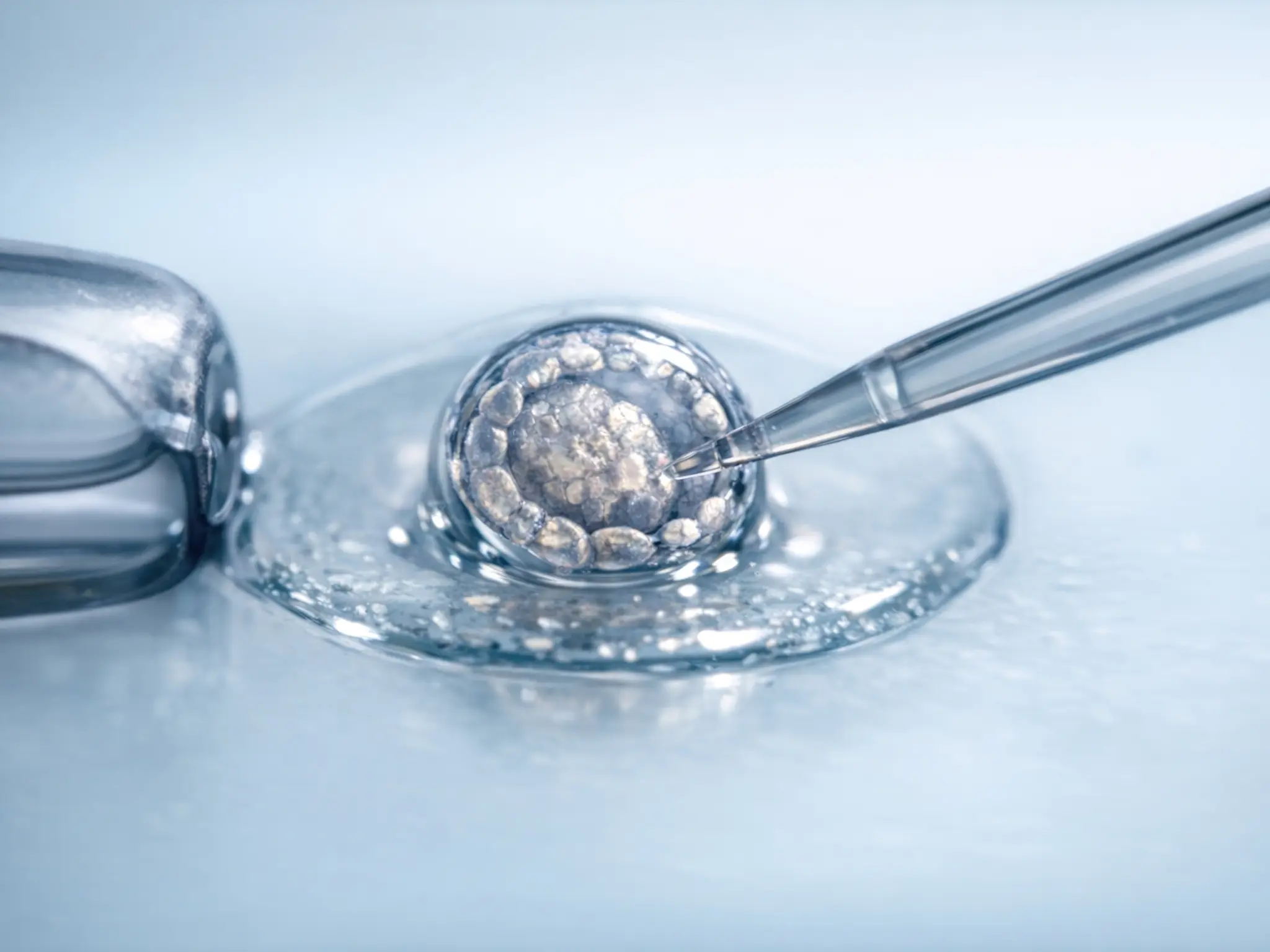
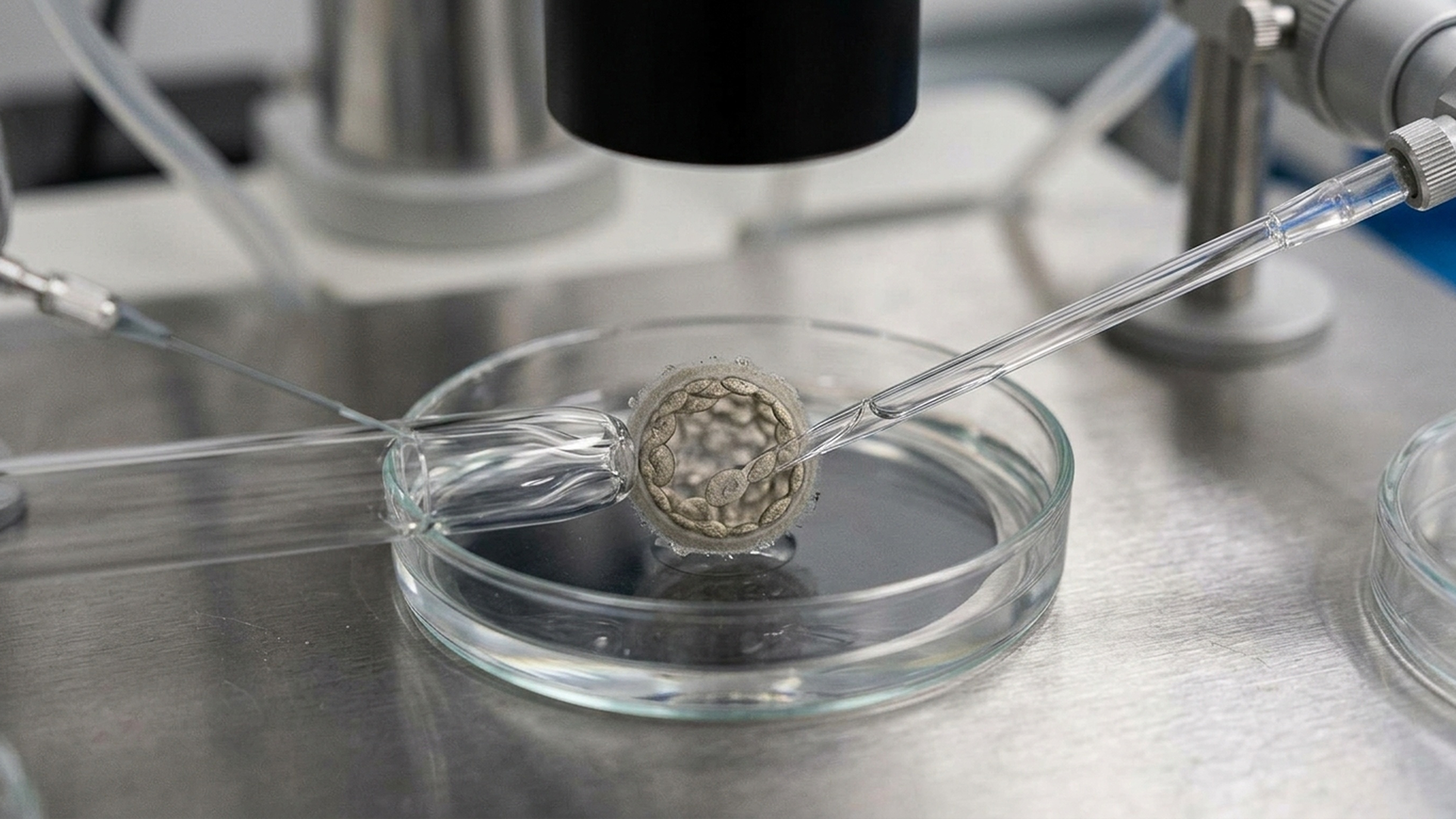
In IVF treatment, eggs retrieved from the woman are fertilized with sperm obtained from the man in a laboratory setting.
The resulting embryos are monitored as they develop and then transferred to the prospective mother’s uterus at the appropriate time.
Therefore, while fertilization occurs in a laboratory setting during IVF treatment, in intrauterine insemination, fertilization takes place inside the woman’s body.
Key Differences Between Insemination and In Vitro Fertilization
|
Artificial Insemination (IUI) |
In Vitro Fertilization (IVF) |
|
Fertilization occurs inside the body. |
Fertilization takes place in a laboratory setting. |
|
Eggs are not retrieved. |
Egg retrieval is performed. |
|
It is a less invasive method. |
It involves a more comprehensive treatment process. |
|
It is used for specific patient groups. |
It can be applied to a broader group of patients. |
|
Embryo development is not monitored in the laboratory. |
Embryo development is monitored in the laboratory. |
Both methods have their own unique advantages and limitations.
Who Might Be a Candidate for Insemination Treatment?
Insemination treatment may be considered in the following situations:
- Unexplained infertility
- Mild sperm motility issues
- Patients with ovulation problems who are able to ovulate with treatment
- Cases where the fallopian tubes are open
- Patients with a uterine structure suitable for pregnancy
However, the decision regarding which patients are suitable for insemination is made only after an evaluation by a specialist.
For Whom Might In Vitro Fertilization (IVF) Be a More Appropriate Option?
IVF may be preferred in the following situations:
- Blockage of both fallopian tubes
- Severe male-factor infertility
- Advanced maternal age
- Low egg reserve
- Endometriosis
- Recurrent IVF failure
- Couples with certain genetic disorders
- History of long-term infertility
- To preserve fertility in cancer patients
- For women who wish to delay motherhood
Each couple’s treatment plan is tailored to their individual needs following a detailed evaluation.
Why Is a Woman’s Age Important in Treatment Selection?
A woman’s age is one of the most important factors considered in both artificial insemination and in vitro fertilization (IVF) treatments.
As a woman ages, natural changes in egg reserve and egg quality may occur.
For this reason, treatment planning should be done without delay, especially for women aged 35 and older.
Your doctor will evaluate your age, hormone test results, and ultrasound findings together to determine the most appropriate approach for you.
Factors Affecting the Chances of Success
Regardless of the treatment method used, there are many factors that influence success:
- The woman’s age
- Egg quality
- Sperm quality
- Uterine health
- Condition of the fallopian tubes
- Embryo quality (in IVF treatment)
- Lifestyle
- Consistent adherence to treatment
For this reason, rather than focusing solely on the treatment method, all factors must be evaluated together.
Should Insemination Be Performed First?
One of the common misconceptions in society is that every couple must undergo insemination treatment first.
However, this is not true.
While insemination may be a suitable option for some patients, in certain cases it may be more appropriate to proceed directly to in vitro fertilization (IVF).
This decision depends on:
- Age
- Cause of infertility
- Duration of treatment
- Previous treatment history
- Results of tests performed
are taken into account.
Is IVF a More Successful Method?
IVF treatment can offer significant advantages in many cases because it allows for fertilization and embryo development to be monitored in a laboratory setting.
However, this does not mean that every patient necessarily needs IVF.
The most appropriate method should be determined based on the couple’s specific situation.
Things Couples Should Keep in Mind During Treatment
Before starting treatment:
- Smoking should be stopped.
- Alcohol consumption should be limited.
- Care should be taken to maintain a healthy diet.
- Maintain a healthy weight.
- Do not take dietary supplements without a doctor’s recommendation.
- Regular checkups should not be missed.
These recommendations are important for both general health and reproductive health.
Common Misconceptions About Vaccination and In Vitro Fertilization
“You cannot proceed to IVF without first undergoing insemination.”
False.
For some patients, IVF treatment may be the most appropriate option.
“IVF guarantees pregnancy.”
False.
IVF is a successful assisted reproductive technique, but success depends on age, embryo quality, uterine health, and many other factors.
“If insemination fails, it is no longer possible to have a child.”
False.
Even if insemination fails, other treatment options—including IVF—can be considered.
Conclusion
Insemination and IVF are important assisted reproductive technologies for couples planning to have children. However, these two treatments are not alternatives to one another; rather, they are different approaches tailored to different patient groups.
When selecting a treatment, factors such as the cause of infertility, egg and sperm quality, uterine health, treatment history, and the couple’s overall health should be evaluated together—not just age or a single test result.
Seeking an expert evaluation early on can help prevent wasted time and assist in developing the most appropriate treatment plan for you. It is important to remember that every couple’s story is unique, and the most effective treatment approach is one that is tailored to the individual.