The primary goal of in vitro fertilization (IVF) treatment is to achieve a healthy pregnancy. However, in some couples, a low ovarian reserve or the quality of the retrieved eggs or embryos not meeting the desired standards in every cycle (menstrual cycle) can complicate the process. In other words, while some patients may produce a sufficient number of embryos in a single treatment cycle, others may produce a more limited number.
At the UMAY IVF Center, we develop customized solutions tailored to each patient’s unique biology; we increase the chances of pregnancy—particularly in patients with low egg reserves—by frequently using the “Embryo Pooling Method.”
So, what is the embryo pooling method in IVF? Why is it used? How many embryos are pooled? Does it increase the chances of success? Is it necessary for every patient?
What is the embryo pooling method in IVF?
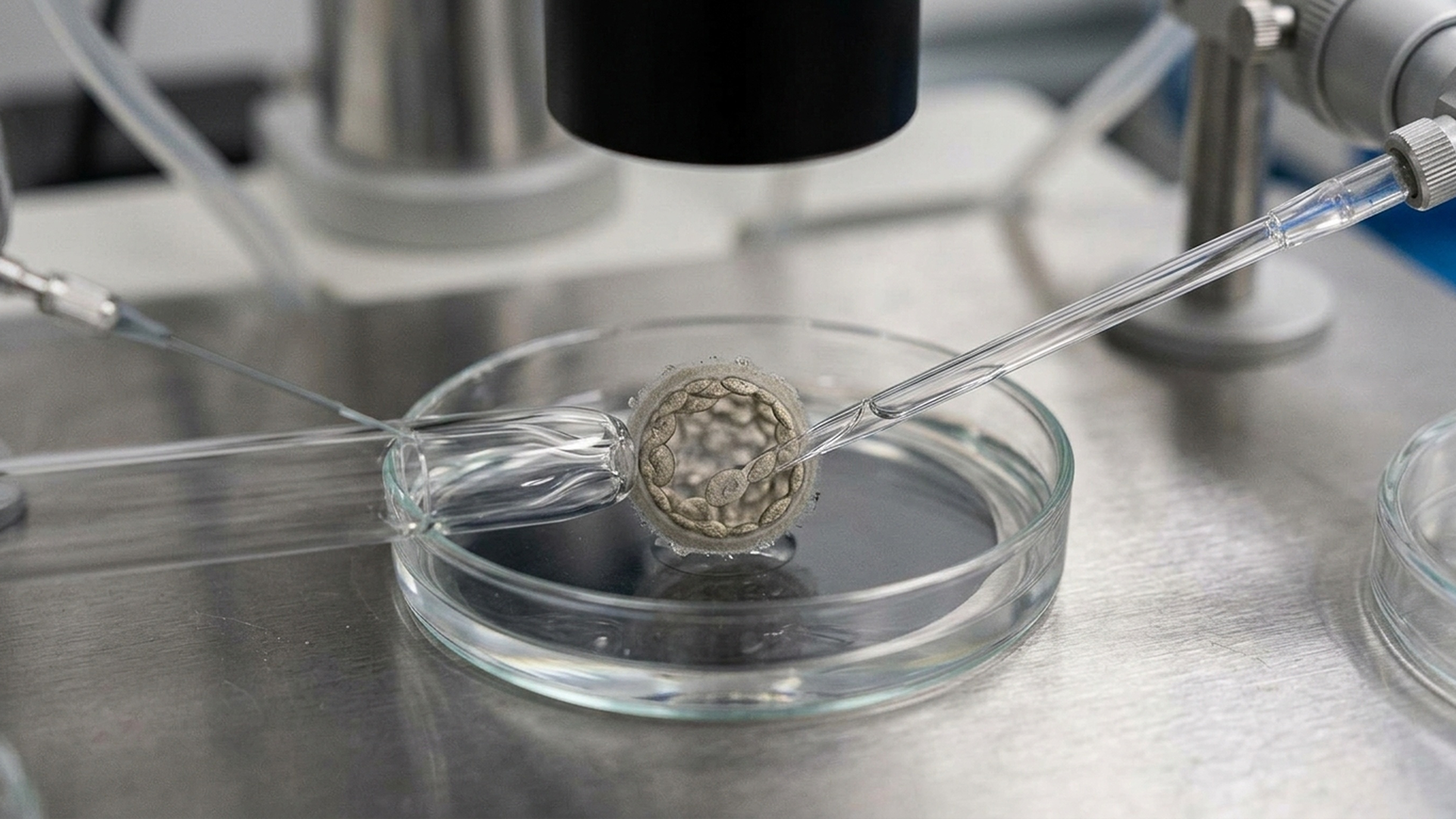
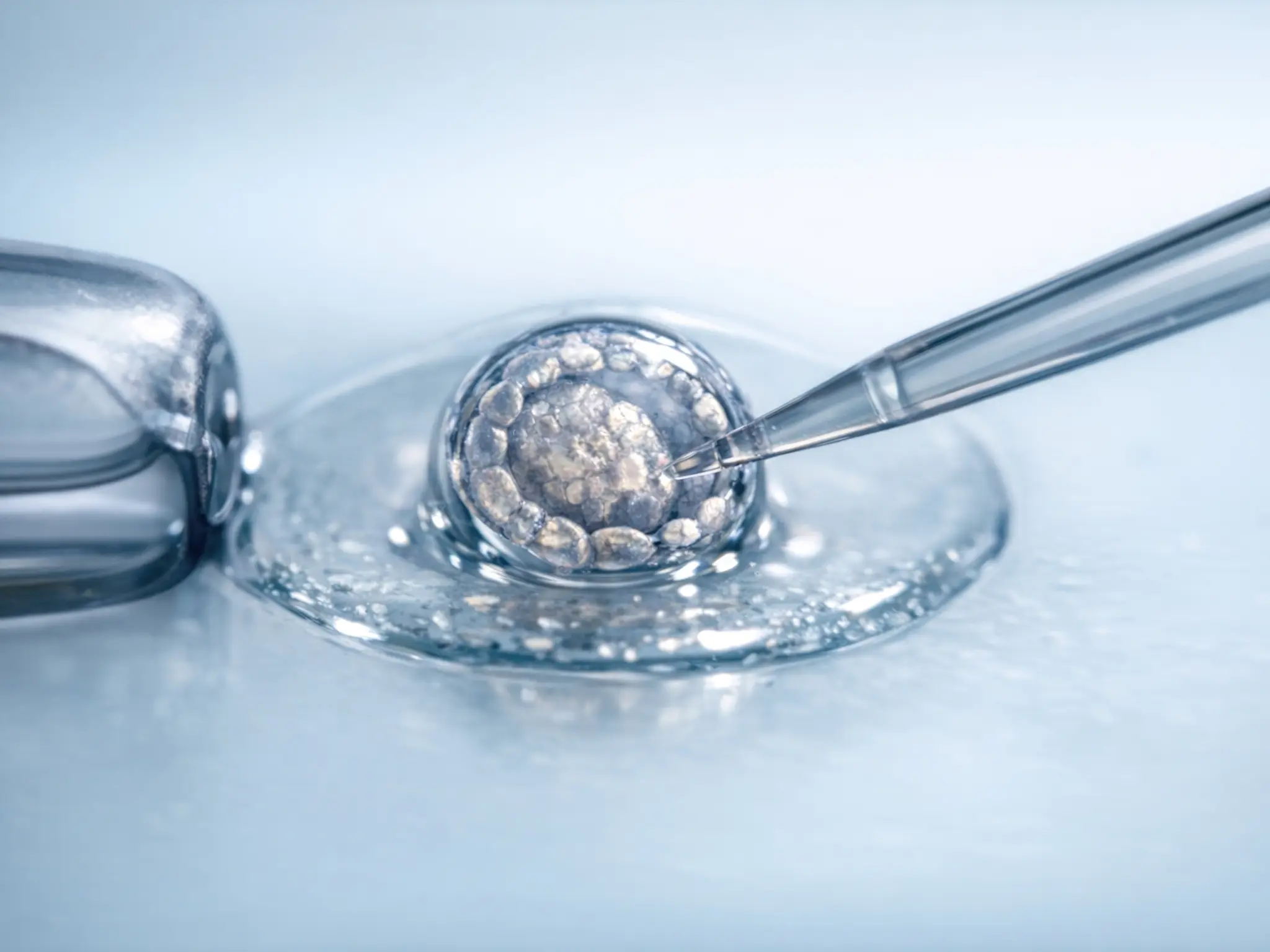
In this method, egg retrieval procedures are repeated over several consecutive menstrual cycles. The healthy embryos obtained in each cycle are frozen and safely stored to create a “pool.” Once a sufficient number and quality of embryos have been obtained, these embryos are thawed and transferred to the prospective mother’s uterus.Why is the pooling method used?
The primary goal of the pooling method is to allow for the combined evaluation of a broader group of embryos, rather than being limited to the small number of embryos obtained in a single treatment cycle. In particular, some patients may produce a low number of embryos in a single cycle. Evaluating embryos obtained from multiple cycles together can provide more options for treatment planning. The pooling method may also be considered for some patients for whom PGT (Preimplantation Genetic Testing) is planned. For example, if genetic evaluation of embryos is planned due to advanced maternal age or specific genetic reasons, pooling embryos obtained from multiple cycles may be preferred in some patients.How are embryos stored using the embryo pooling method?
During the embryo pooling process, embryos showing appropriate development are evaluated in the laboratory and, once they reach the appropriate stage, can be stored using a rapid freezing method called vitrification. Later, suitable embryos obtained during a new IVF/ICSI cycle can also be frozen in the same manner and added to the pool. The laboratory conditions used during embryo storage, the freezing technique, and embryo survival after thawing are important components of the treatment. Today, with modern vitrification methods, it is possible for embryos to maintain a high rate of viability after thawing.Who is eligible for the embryo pooling method?
The pooling method is not necessary for every IVF patient. It may be considered, particularly for patients who obtain a limited number of embryos in a single cycle and for whom evaluating additional embryos together could contribute to the treatment plan. It may be considered in the following situations:- Low Ovarian Reserve (low AMH, etc.)
- Advanced Maternal Age
- Patients with Poor Ovarian Response
- Inability to obtain a sufficient number of suitable embryos in a single cycle
- A consistently low number of embryos obtained in each IVF/ICSI cycle
- Limited embryo development in previous cycles
- Patients scheduled for PGT
- Aiming to increase the number of embryos to be genetically evaluated
- Planning to evaluate the results of multiple cycles together based on the patient’s clinical characteristics
Does the pooling method increase IVF success rates?
This question requires a careful answer. Embryo pooling alone is not a treatment that improves embryo quality or directly increases the chance of pregnancy. The method primarily facilitates treatment planning and allows for the combined evaluation of embryos obtained from multiple cycles. For example, obtaining a greater total number of embryos across two separate cycles in a patient can increase the number of embryos available for evaluation, particularly if PGT is planned. However, accumulating more embryos does not always translate to a higher live birth rate. Factors such as the patient’s age and egg quality significantly influence the likelihood that the retrieved embryos will be chromosomally normal. Therefore, the benefits of the pooling method should be evaluated based on the patient’s individual characteristics and the goal of treatment.What is the relationship between the pooling method and PGT?
The pooling method and PGT are not the same procedure. The pooling method is a treatment planning and embryo banking strategy. PGT, on the other hand, is a group of tests that enable the genetic evaluation of biopsy samples taken from embryos. In some patients, it may be planned to obtain and freeze embryos over multiple cycles and then perform PGT later. The reason for this is that the number of embryos obtained in a single cycle may be limited in terms of genetic evaluation. However, whether PGT is necessary must be evaluated individually for each patient.How long does the pooling method take?
There is no standard duration. The duration of embryo banking depends on the patient’s ovarian reserve, age, response to treatment, and the number of embryos obtained in each cycle. While embryo transfer may be planned after a single cycle for some patients, others may need to accumulate embryos over several cycles. Therefore, it is not accurate to state a universal timeframe for the embryo pooling method, such as “it is completed in 1 month” or “it is applied for 2–3 months.”Are all embryos used in the embryo banking method?
No. It is not necessary to transfer all the embryos in the pool. The appropriate embryo or embryos are selected based on the embryos’ developmental characteristics, genetic test results (if available), the patient’s age, and clinical condition. Especially in cases where a single-embryo transfer is appropriate, the goal is not to transfer multiple embryos at the same time. The goal is not to transfer more embryos, but to transfer the appropriate embryo at the right time.Should the pooling method be used for every patient?
No. It is not expected that every technology used in IVF treatment is necessary for every patient. While there are patients for whom the pooling method may offer advantages, there are also patients for whom embryo transfer following a single cycle is more appropriate. Especially as a woman’s age advances or her ovarian reserve decreases, waiting for multiple cycles may not always be advantageous. Therefore, when deciding whether to use the pooling method, attention should be paid not only to the number of embryos but also to the timing and the patient’s individual characteristics.Our Approach to the Pooling Method at UMAY IVF Center
At UMAY IVF Center, rather than applying the same protocol to every patient in IVF treatment, we prioritize planning treatment according to the individual’s specific characteristics. When evaluating the embryo pooling method: the woman’s age + ovarian reserve + previous IVF results + the number and development of embryos obtained + PGT requirements + the time factor are all considered together. For some patients, accumulating embryos may contribute to the treatment plan. For others, proceeding to embryo transfer without delay may be more appropriate. Therefore, what matters to us is not merely “obtaining more embryos,” but evaluating the obtained embryos in the most appropriate way in line with the patient’s treatment goals. In IVF treatment, every patient’s story is different.How Does the Embryo Pooling Process Work at the UMAY IVF Center?
With our personalized treatment approach, we manage the process in the most comfortable and transparent way possible for our patients:- Initial Evaluation and Planning: Our specialist physicians thoroughly analyze your egg reserve and determine whether the pooling method is suitable for you.
- Cycle 1 and Egg Retrieval: Following a medication protocol that begins with your menstrual cycle, the mature eggs are retrieved and fertilized with sperm in our laboratory (ICSI), and high-quality embryos are frozen.
- Interval and Subsequent Cycles: Depending on the patient’s condition, the process is repeated—typically with a 1–2-month interval (or in consecutive cycles)—to increase the number of healthy embryos in the pool.
- Genetic Testing Option (If Necessary): Preimplantation Genetic Testing (PGT) may be performed to improve the quality of the embryos in the pool or to ensure they are genetically healthy. Alternatively, the embryo pool can be created without PGT.
- Happy Ending (Transfer): Once the embryo pool has reached a sufficient size (or once PGT results are available, if performed), the thawing and transfer procedure is carried out during the most optimal time for the uterus.