For couples planning a pregnancy, the evaluation should not focus solely on the woman. Taking the right steps throughout the treatment process is the first rule for making the most efficient use of time for couples who dream of becoming parents. Although women’s health is often the first thing that comes to mind when pregnancy cannot be achieved, approximately 50% of infertility cases are due to male factors. Starting with a semen analysis is the correct approach.
One of the most fundamental tests for evaluating male fertility is the semen analysis.
A semen analysis is a basic laboratory examination that evaluates the volume of the ejaculate (semen sample), sperm count, motility, and the morphological characteristics of sperm cells.
Why Is a Sperm Analysis Important?
- Provides Quick Results: While infertility investigations in women can be multi-step and time-consuming, a semen analysis provides very clear information about male reproductive health with a single test.
- It Determines the Treatment Plan: Based on the results, we determine which treatment method—such as intrauterine insemination (IUI), in vitro fertilization (IVF), or intracytoplasmic sperm injection (ICSI)—is most appropriate for the couple.
- It Reveals Hidden Issues: Conditions that could prevent pregnancy—such as varicocele, hormonal imbalances, or infections—are detected early through this test.
What Is a Sperm Analysis?
A semen analysis is a basic infertility test that provides information about sperm production and semen characteristics in men. A standard semen analysis generally includes:- semen volume,
- sperm concentration,
- total sperm count,
- sperm motility,
- progressive motility,
- sperm morphology,
- live sperm percentage
How is a semen analysis performed?
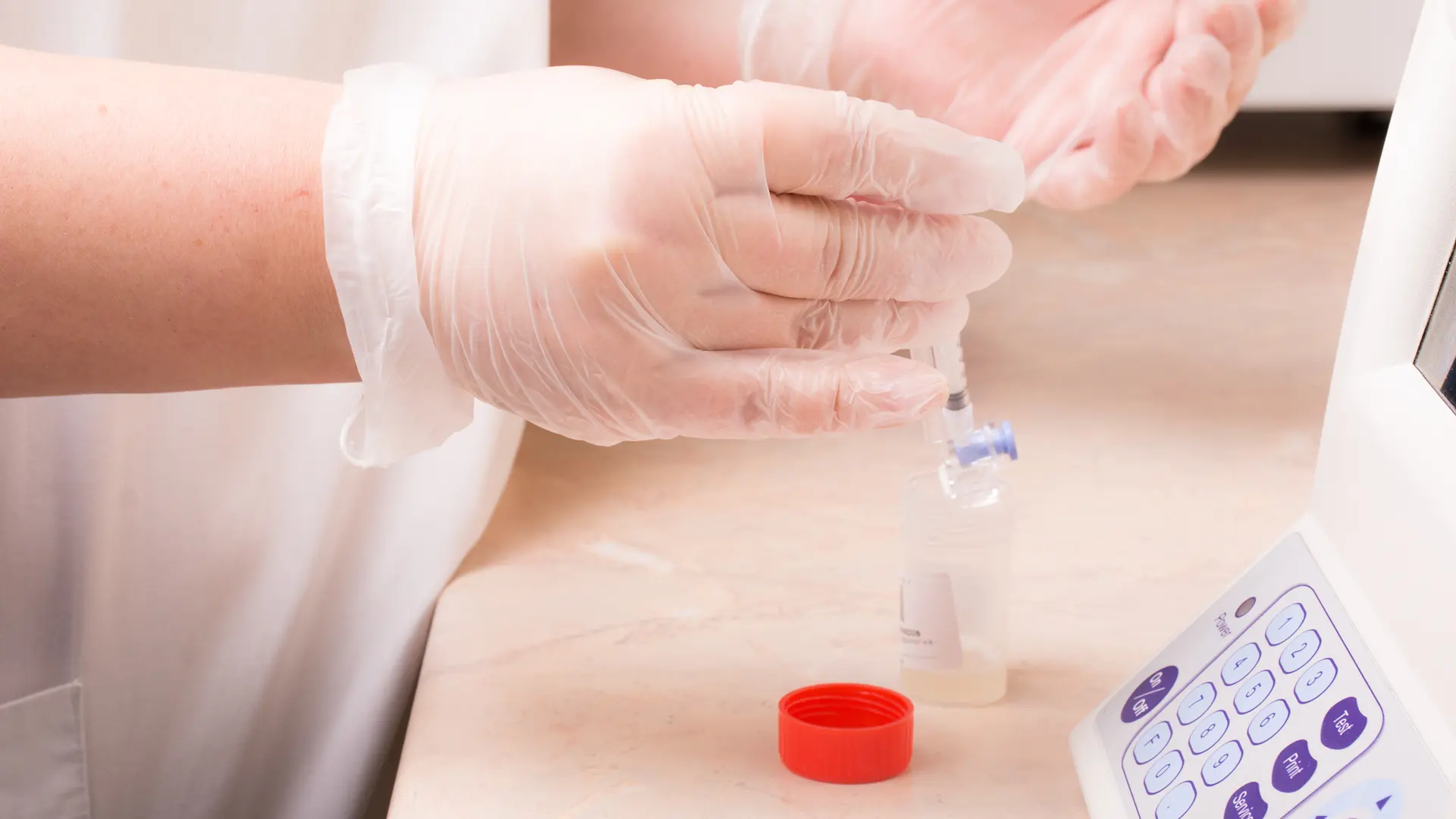
For a semen analysis, a semen sample is typically collected through masturbation into a specially provided specimen container. A comfortable environment is provided during sample collection, and the individual is not disturbed in any way. It is important to adhere to the period of sexual abstinence recommended by the laboratory prior to the test. For example, the World Health Organization’s reference methods for semen analysis recommend that the sample be collected after 2–7 days of sexual abstinence. If conditions are appropriate, our technicians will verify the individual’s or couple’s identity, check their information, and record it. The specialized EWS system also helps prevent mix-ups. It is important to collect the entire semen sample into the container; that is, the entire ejaculate must be deposited into this container. Since sperm concentration may be higher in the initial portion of the ejaculate, losing any part of the sample may affect the interpretation of the results. No other fluids should come into contact with the container. It is for single use only and is sterile upon opening. It is disposed of along with the sperm after the procedure. The sample must be evaluated as soon as possible under the conditions and within the timeframe specified by the laboratory. After providing the semen sample, you must tightly close the container, place it in the collection bin in the room, and then press the alert bell. This ensures the lab team will process the sample immediately. After providing the sample, you may use the sink and shower available in the same room to clean yourself.What should the sperm count be?
When evaluating semen analysis results, it is not correct to consider only the sperm count. According to the current reference values used by the WHO for human semen analysis, the lower reference limit is generally considered to be approximately: Sperm concentration: ≥16 million/mL . For total sperm count, the lower reference value is approximately: ≥39 million/ejaculate . For proper treatment planning, not only the sperm count but also the microscopic anatomy of the sperm must be thoroughly examined. At our Umay IVF center, we use specialized Makler cell rings for sperm counting, while morphology analysis is meticulously performed using the Kruger method, which yields highly accurate results. This Makler/Kruger method provides more reliable information than the CASA (computer-assisted sperm analysis) method. However, falling below these values does not mean that “it is absolutely impossible to have a child.” Similarly, having values above the reference range does not guarantee that pregnancy will definitely occur. Sperm count should be evaluated in conjunction with motility, morphology, the female partner’s age and reproductive health, frequency of intercourse, and many other factors.What should sperm motility be?
It is not enough for sperm cells to simply be present in sufficient numbers to achieve pregnancy. A significant portion of the sperm must be motile. Motility is generally defined as:- Progressive motility: Refers to the sperm’s ability to move forward and reach the egg.
- Non-progressive motility: The sperm are motile but do not demonstrate effective forward movement.
- Immotile: No movement is observed.
What is sperm morphology?
Sperm morphology is the evaluation of the shape and structural characteristics of sperm cells. The head, midpiece, and tail structures of the sperm cell are examined under a microscope. When the normal morphology rate is low, this is referred to as teratozoospermia. According to current WHO guidelines, the lower reference value for normal morphology—as assessed using the Kruger/strict criteria—is approximately 4%. This figure is often misunderstood by patients. For example, a morphology rate of 3% does not mean that 97% of the sperm are “unfit.” Sperm morphology should be evaluated in conjunction with other semen parameters and the couple’s clinical characteristics.Is it possible to have a child if the sperm count is low?
Yes, in many cases, natural conception is possible. A low sperm count does not mean that pregnancy is absolutely impossible. In some men, pregnancy can occur naturally despite a low sperm count. In cases of more pronounced sperm abnormalities, assisted reproductive techniques such as intrauterine insemination (IUI) or in vitro fertilization (IVF)—particularly intracytoplasmic sperm injection (ICSI)—may be considered.Why might a semen analysis be performed more than once?
Sperm production is an ongoing process, and semen parameters can change over time. Feverish illnesses, past infections, severe stress, certain medications, lifestyle, and environmental factors can affect sperm parameters. In particular, if a patient has had a febrile illness in the past few weeks, the test may need to be postponed because sperm quality could be affected. For this reason, if an abnormal result is obtained in the initial semen analysis, a repeat semen analysis may be recommended, especially if the clinical situation warrants it. It is often incorrect to make a definitive diagnosis of male infertility based on a single semen analysis result.My semen analysis result was low—what should I do?
When faced with an abnormal semen analysis result, the first step should be to investigate the cause rather than reacting with panic. When necessary:- a urology/andrology evaluation,
- a physical examination,
- hormone tests,
- varicocele evaluation,
- ultrasound,
- genetic evaluation