Have you ever seen a baby smile for no apparent reason while sleeping? According to an ancient Turkish belief that stretches from Anatolia to Central Asia, the baby is not alone at that moment; it is speaking with Umay Ana, the oldest and most compassionate guardian in Turkish mythology.
Although she is on the verge of being forgotten today, Umay Ana has been recognized for thousands of years in Turkish culture as the greatest protector of life, fertility, mothers, and children. Umay Ana is the Turkish equivalent of the “Mother Earth” or “Mother Goddess” figures found in other cultures. So, who is this divine feminine figure in Turkish culture, and what mark has she left on our culture?
The Protective Spirit of Life and Children
In Turkish mythology, Umay Ana directly symbolizes the energy of life and fertility. She is the invisible shield beside pregnant women, new mothers, and infants who have yet to discover the world. According to this belief, when a baby cries for no apparent reason, Umay Ana has moved away from it; when the baby smiles, she tenderly cares for it.
She is believed to protect not only the human race but also nature and animals. With the drops of life she brings from the Sacred Milk Lake, she gives life to living beings and bestows fertility upon the earth.
Silver Hair, a Three-Cornered Crown, and White Birds
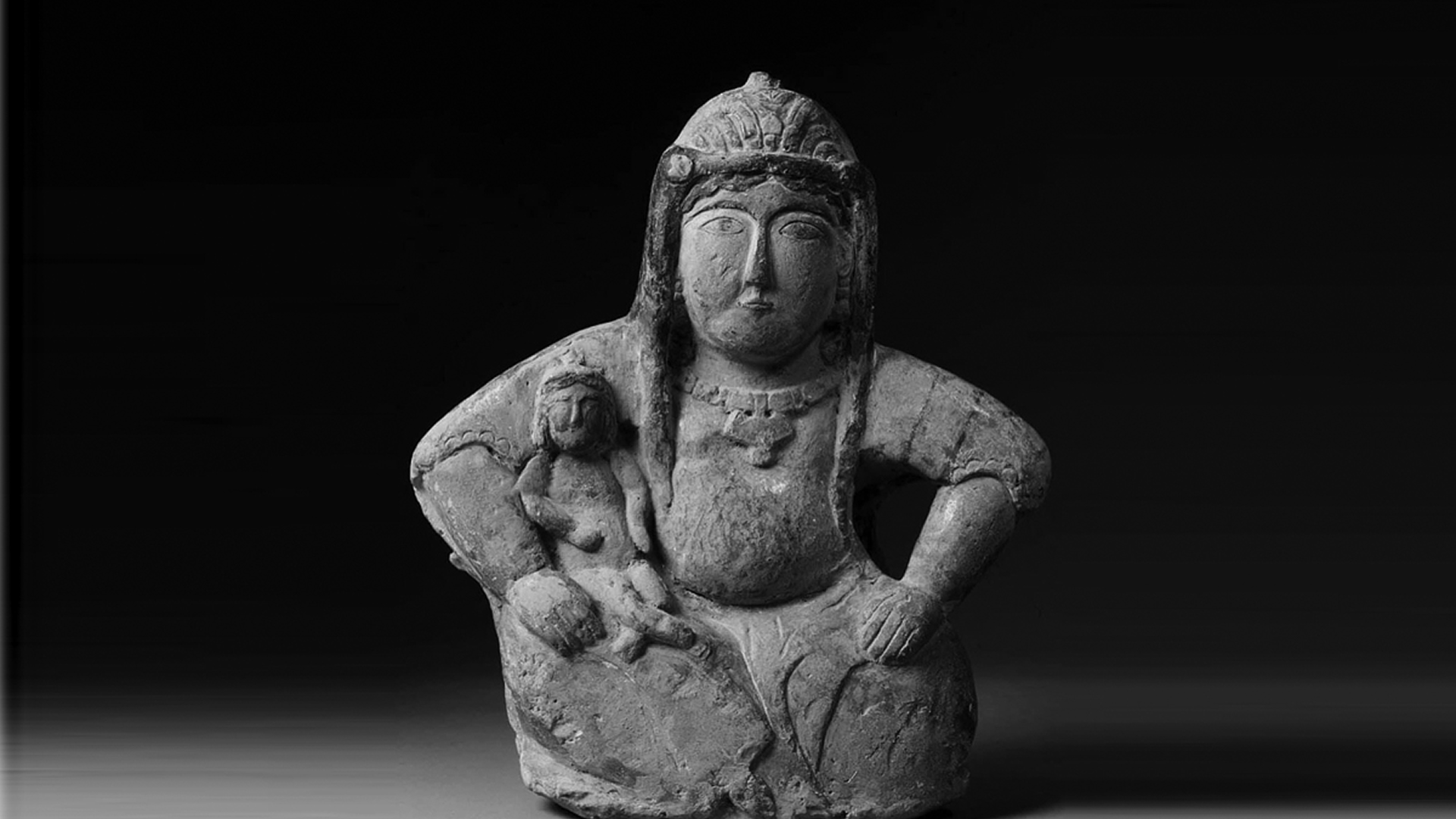
In ancient texts and depictions, Mother Umay is described as a beautiful woman who radiates light, has long silver hair, and embodies grace in her white gown. She wears a sacred, three-cornered crown on her head.
When she wishes to descend to Earth, she takes the form of a white bird or a swan. For this reason, in Turkish culture, refraining from harming birds and incorporating bird motifs into everything from rugs to decorative items is a reflection of the respect held for Mother Umay.
Sacredness Carved in Stone: Umay in the Orkhon Inscriptions
Mother Umay appears not only in oral folktales but also in the earliest written records of Turkish history. In the Orkhon Inscriptions (the Kül Tigin Inscription), while describing the importance of Kül Tigin’s mother, İlbilge Hatun, to the state, the following phrase is included:
“Umay teg ögüm katun kutıŋa…”(To the fortune/blessing of a katun like Umay…)
These lines prove just how sacred a place Mother Umay holds—not only within homes but also in the fate of the state and the khans. The great linguist Mahmud of Kashgar also conveyed the historical continuity of this belief in his work *Divânu Lugâti’t-Türk*, stating, “A woman who worships Umay will bear a child.”
Traces That Have Reached Our Time: Alkarısı and Postpartum Traditions
Although belief systems have changed over time, traces of Mother Umay have continued to live on in Anatolian traditions. Today, customs such as tying a red ribbon around the head of a woman who has recently given birth (to protect against al basması), keeping the lights on in the room, or ensuring the postpartum woman is not left alone—are, in fact, extensions of rituals designed to invoke the protective spirit of Mother Umay and ward off evil spirits (Alkarısı).
A Legacy of Compassion Passed Down to Future Generations
Umay Ana is the most tangible symbol of the value that Turkish culture places on women, mothers, and nature. This divine figure, whose power stems not from destruction but from giving birth, sustaining life, and protecting, is one of the warmest legacies stretching from our past to our future.
The next time you see a baby smiling in its sleep, remember this ancient tale that spans thousands of years: Mother Umay is still at work.