How is IVF performed? How long does IVF treatment take? When do the injections start? Is the egg retrieval procedure painful? How is embryo transfer performed? What is the success rate of IVF?
What is IVF?
IVF (in vitro fertilization) is a procedure in which reproductive cells obtained from a woman and a man are brought together in a laboratory setting to achieve fertilization, and the resulting embryo is transferred into the uterus.
Fertilization can be achieved using the conventional IVF method, or—when necessary due to factors such as low sperm count or poor motility—through
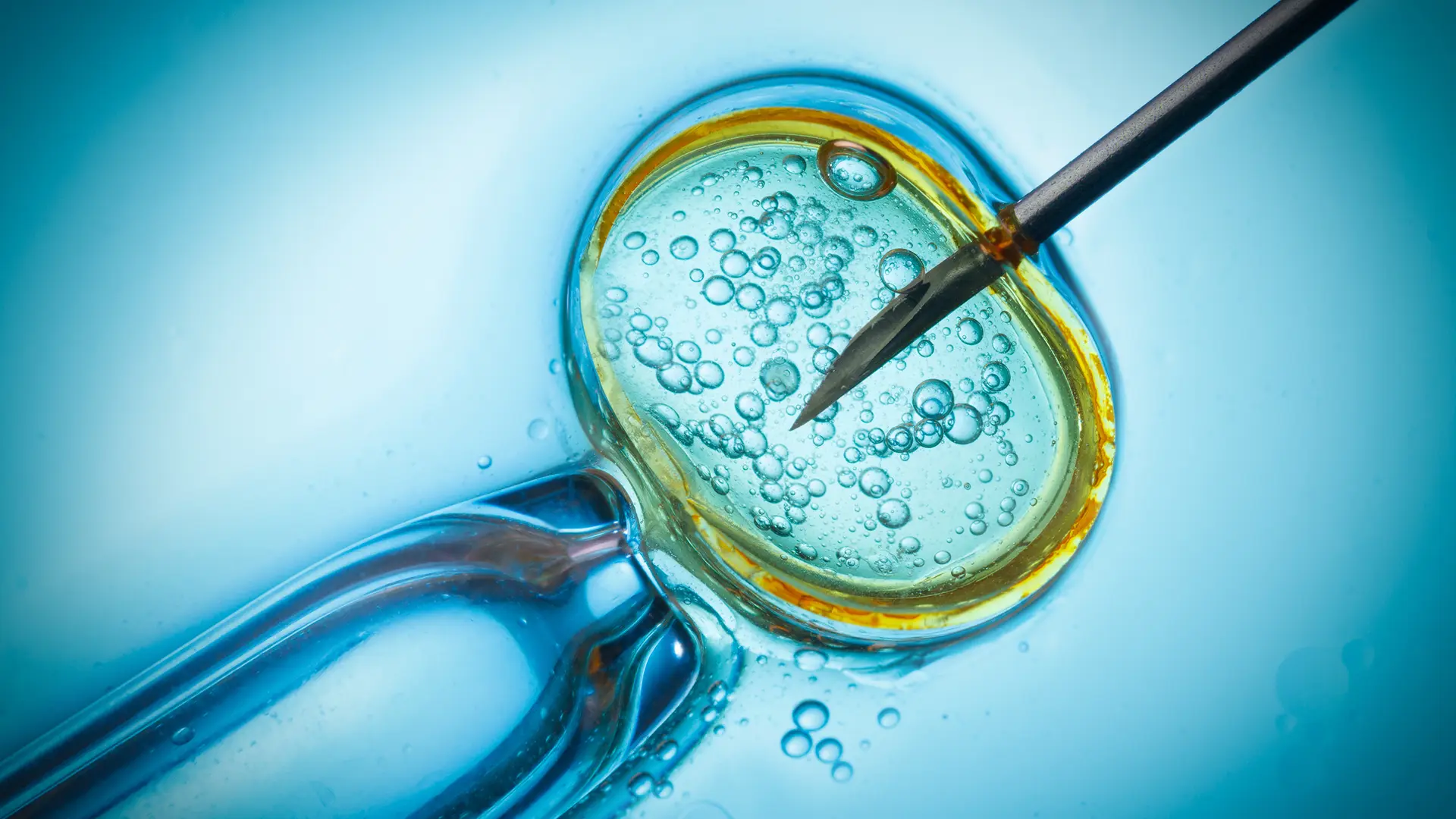
ICSI (intracytoplasmic sperm injection), in which a single sperm is injected directly into the egg.
IVF treatment is not limited to simply “retrieving eggs and transferring embryos.” There are many stages that affect the success of the treatment, and the treatment plan may vary for each couple.
Who is IVF recommended for?
IVF treatment may be recommended in various situations depending on the cause of infertility and the couple’s specific circumstances.
The main causes include:
- Blocked or damaged fallopian tubes
- Problems with sperm count, motility, or morphology
- Ovulation problems
- Decreased ovarian reserve
- Endometriosis
- Advanced maternal age
- Unexplained infertility
- Failure to achieve results from previous treatments (such as insemination)
- Couples at risk for genetic disorders
- For treatment of a sibling due to a child with a prior diagnosis
- Other reasons
may apply.
In some cases, however, IVF may not be the first treatment option. The most appropriate approach is determined by evaluating age, duration of infertility, ovarian reserve, sperm characteristics, and previous treatments together.
When should IVF treatment begin?
It is not necessary to wait the same amount of time for every couple.
Generally, for women under 35, an infertility evaluation is recommended if pregnancy has not occurred despite 12 months of regular, unprotected intercourse.
For women 35 and older, it is important to begin evaluation earlier—especially after age 40, when it is crucial to seek care without delay.
However, if there is menstrual irregularity, a known fallopian tube problem, a severe male factor, endometriosis, or a history of previous infertility treatment, it may not be necessary to wait a year for evaluation. In these cases, individualized assessments take precedence.
What tests are performed before IVF treatment?
Before starting treatment, the goal is not merely to “have a baby through IVF,” but to assess the couple’s current situation as accurately as possible.
For the woman:
- Gynecological examination and ultrasound
- AMH and ovarian reserve assessment
- Necessary hormonal tests and routine pre-pregnancy tests
- Evaluation of the uterus and endometrium
- Evaluation of the fallopian tubes if necessary (HSG, etc.)
- Additional tests may be performed as needed
may be performed.
For men, the basic evaluation
is a semen analysis. In certain cases, advanced tests such as sperm DNA fragmentation may also be considered.
It is not necessary to perform all of these tests routinely for every couple. Which tests are necessary is determined based on the individual’s medical history and clinical findings.
What are the stages of IVF treatment?
IVF treatment generally consists of several basic stages.
1. Ovarian stimulation
The goal is to stimulate the development of multiple follicles within the same cycle using medication.
During this period, follicular development is monitored via ultrasound and, when necessary, blood tests.
The dosage of medication varies from patient to patient. It is determined based on age, AMH, antral follicle count, response to previous treatment, the woman’s weight/BMI, and other factors.
2. Egg Retrieval
Once the follicles reach the appropriate size, the final medication that triggers egg maturation is administered.
At the scheduled time, the egg retrieval procedure, known as
OPU (oocyte pickup), is performed.
The procedure is typically performed under short-term anesthesia and is painless. Pain relievers are also administered after the procedure.
3. Fertilization and Embryo Development
The retrieved eggs are combined with sperm in the laboratory.
Conventional IVF may be used in appropriate cases, while ICSI may be performed when required due to sperm characteristics or previous treatment outcomes.
The fertilized eggs are monitored in the laboratory for embryo development.
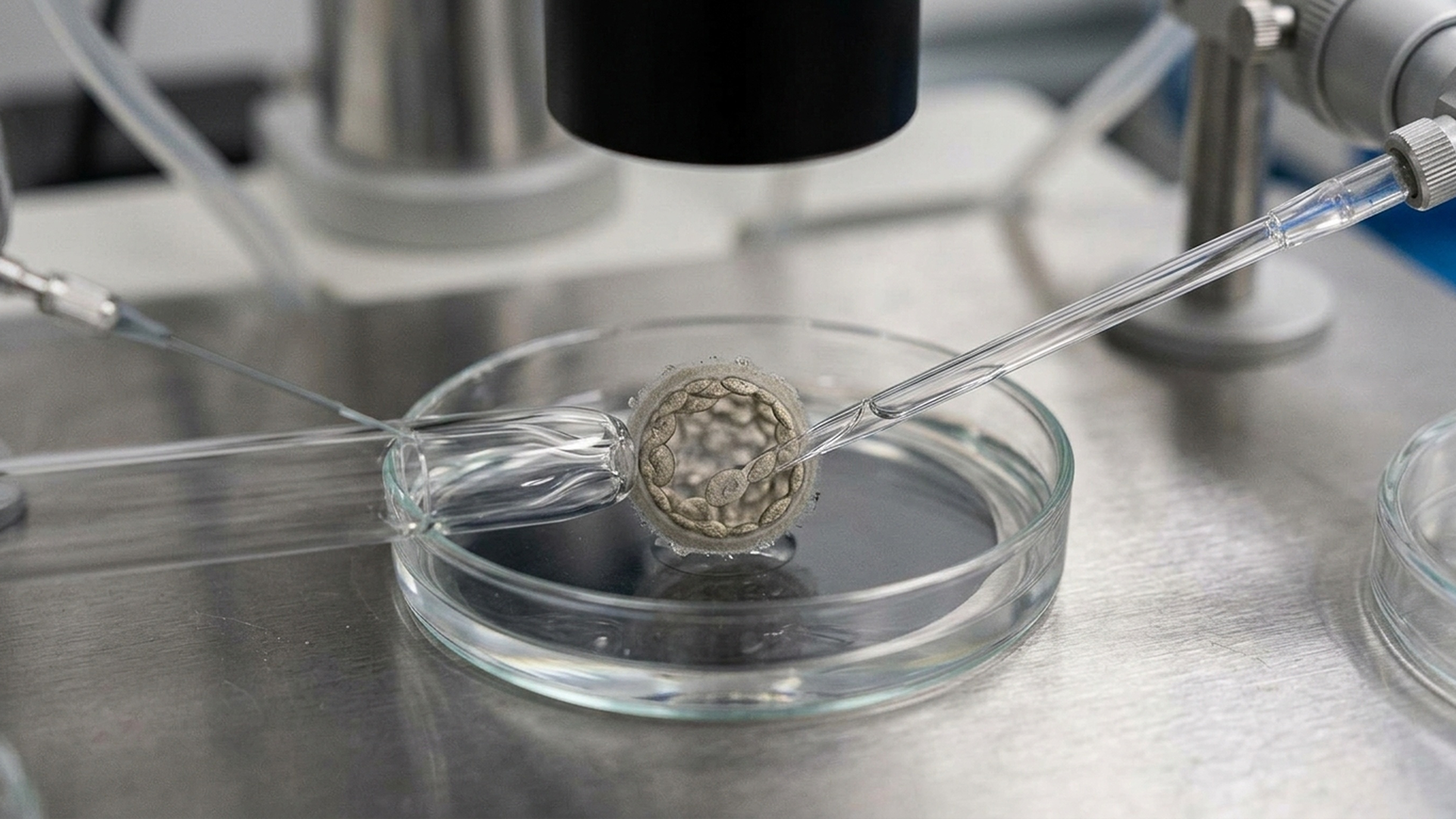
PGT (embryo biopsy) is performed during these stages for eligible patients.
4. Embryo Transfer
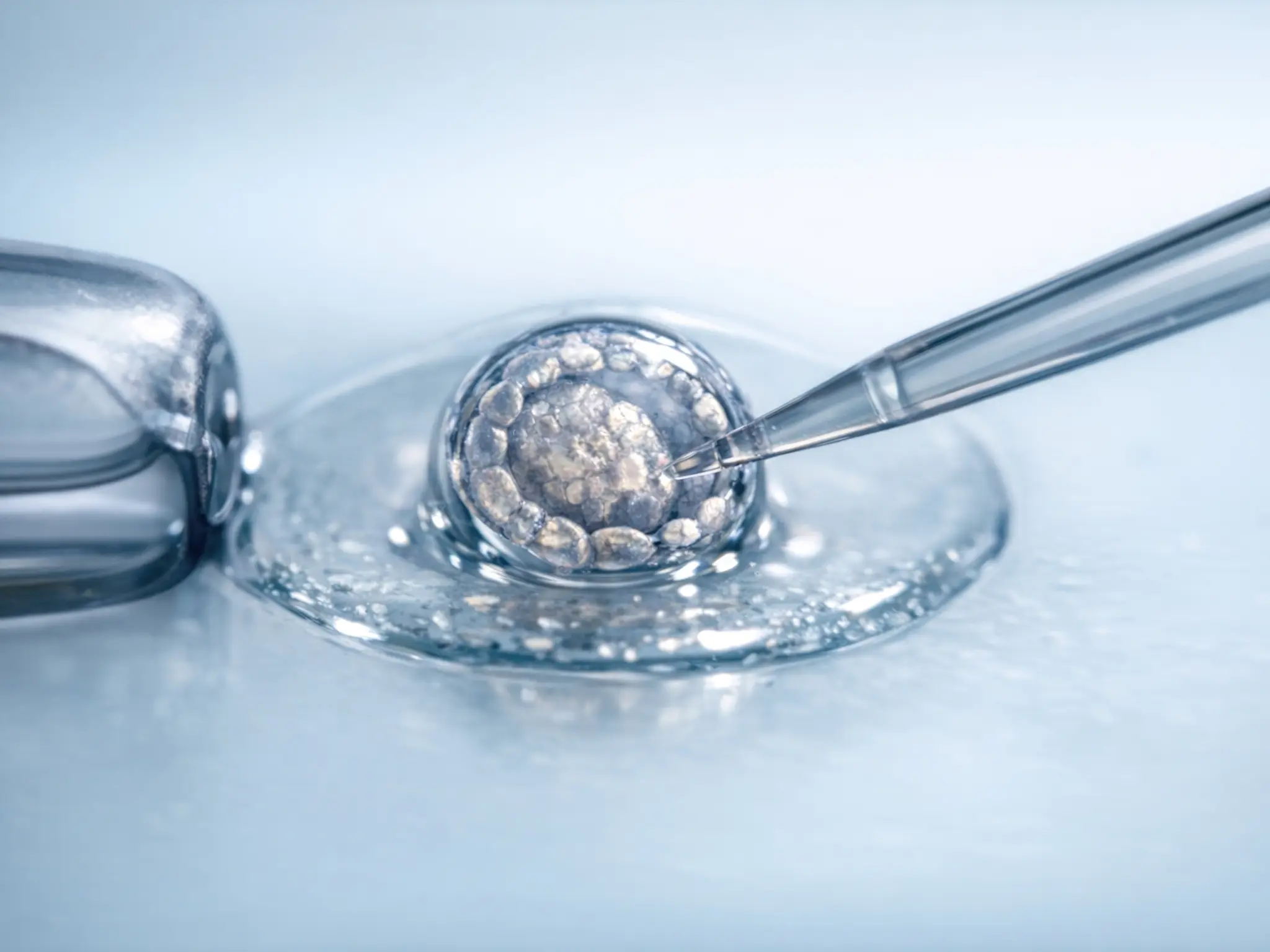
The embryo that has developed appropriately is placed into the uterus using a thin catheter.
Embryo transfer is generally a brief procedure that does not require anesthesia in most patients.
The day of the transfer is determined based on embryo development, the number of embryos, uterine conditions, and the patient’s clinical status.
5. Pregnancy Test
A β-hCG blood
test is performed at the appropriate time after embryo transfer (typically within 10–15 days).
Since performing the test too early can lead to misleading results, you should wait until the day recommended by your doctor for the pregnancy test. A blood pregnancy test should be performed, not a urine pregnancy test.
How long does IVF treatment take?
The duration of treatment may vary depending on the protocol used.
Ovarian stimulation takes approximately 8–12 days in most patients. Following egg retrieval, embryo transfer can be performed within a few days if a fresh transfer is planned.
However, in some patients, the embryos are frozen and transferred during a later cycle.
For this reason, it is not accurate to state a single duration that applies to everyone, such as “IVF treatment is completed in exactly this many days.”
What is the success rate of IVF?
The success rate of IVF cannot be expressed as a single number.
One of the most important factors affecting success is the woman’s age. In addition, ovarian reserve and egg quality, sperm characteristics, embryo quality, the embryo’s chromosomal status, uterine conditions, and previous treatment outcomes are also important.
Therefore, when evaluating the success of a center or a patient, live birth rates and the characteristics of the patient group should be considered rather than just the “pregnancy rate.”
Are additional procedures necessary in IVF treatment?
In recent years, various “additional procedures” have been incorporated into IVF treatment.
These include embryo transfer media, microchip sperm selection, sperm DNA fragmentation tests, PGT, endometrial tests, PRP, and various supportive therapies.
However, just because a procedure is new or technologically advanced does not mean it is necessary for every patient.
The strength of scientific evidence, the patient’s characteristics, and the expected benefit from treatment must be evaluated together.
More procedures do not always mean higher success rates.
What should be considered during IVF treatment?
During the treatment process, it is important to use medications as prescribed by the doctor, attend follow-up appointments on time, and, most importantly, not adjust medication doses on your own.
Additionally, not all information found on the internet or social media may be scientifically verified.
IVF treatment can be a physically and emotionally exhausting process. Therefore, ensuring the couple is informed about the process in an open and realistic manner is an important part of the treatment.
IVF treatment is not only a physical but also an emotional process. As the UMAY IVF team, another point we recommend you keep in mind during this process is:
“A positive mindset and a stress-free lifestyle are the greatest allies in this treatment.”
Meditation, regular light walks, and seeking psychological support can make this process much more comfortable.
Our Approach to IVF at the UMAY IVF Center
At the UMAY IVF Center, we do not view IVF treatment as a process consisting solely of laboratory procedures.
Every couple’s age, ovarian reserve, sperm characteristics, cause of infertility, previous treatments, and embryo development are unique. For this reason, we believe the treatment plan must be personalized.
Our goal is not to include every possible procedure in the treatment but to create a treatment plan that is tailored to the patient’s needs, supported by scientific evidence, and explained in a way the patient can understand.
Throughout the IVF journey, we prioritize ensuring our patients experience not just the treatment outcome but the entire process with confidence.