For many couples dreaming of having a child, in vitro fertilization (IVF) is one of the most effective assisted reproductive technologies offered by modern medicine. Thanks to advancing laboratory technologies, personalized treatment plans, and experienced teams of specialists, success rates in IVF are increasing day by day.
So, how is IVF performed? What stages does the process involve? In this article, we’ll walk you through every stage of IVF treatment step by step.
What Is In Vitro Fertilization (IVF) Treatment?
In vitro fertilization (IVF) is a procedure in which egg cells retrieved from the woman are fertilized with sperm cells retrieved from the man in a laboratory setting, and the resulting healthy embryo is transferred to the prospective mother’s uterus.
This method offers an effective treatment option, particularly for couples who have difficulty conceiving naturally.
Who Is a Candidate for In Vitro Fertilization (IVF) Treatment?
IVF may be recommended in the following situations:
- Failure to conceive despite 6–12 months or more of unprotected intercourse
- Decreased chances of pregnancy due to advanced maternal age
- Low egg reserve
- Blocked or damaged fallopian tubes
- Severe male-factor infertility
- Endometriosis
- Unexplained infertility
- Recurrent failed insemination treatments
- Planning embryo genetic screening for couples at risk of genetic disorders
- Preservation of fertility in cancer patients (oncofertility)
Every couple’s treatment plan is different. Therefore, a personalized approach is determined following a detailed evaluation.
1. Initial Examination and Evaluation
The first stage of treatment is a detailed evaluation.
During this process:
- The prospective mother’s medical history is taken.
- The ovaries are evaluated via ultrasound.
- AMH and hormone tests are performed.
- A semen analysis is requested from the prospective father.
- Any additional tests deemed necessary are scheduled.
Based on this information, the most appropriate treatment protocol is developed for the couple.
2. Ovarian Stimulation
While only one egg develops during a normal menstrual cycle, controlled ovarian stimulation is used in IVF treatment to obtain more mature eggs.
The prospective mother is prescribed hormone medications for approximately 8–25 days (average 10 days).
Throughout this process, the development of the eggs is closely monitored with regular ultrasounds and blood tests.
3. Trigger Shot
Once the eggs reach the desired size, the “trigger shot” is administered.
This stage is extremely important because the egg retrieval procedure is scheduled approximately 34–36 hours after the trigger shot.
Proper timing can directly affect the success of the treatment.
4. Egg Retrieval (OPU)
The egg retrieval procedure is performed under light anesthesia.
The procedure takes about 15–20 minutes, and the eggs are retrieved using a thin needle under ultrasound guidance.
A sperm sample is collected from the prospective father on the same day.
The retrieved eggs and sperm cells are sent to the embryology laboratory.
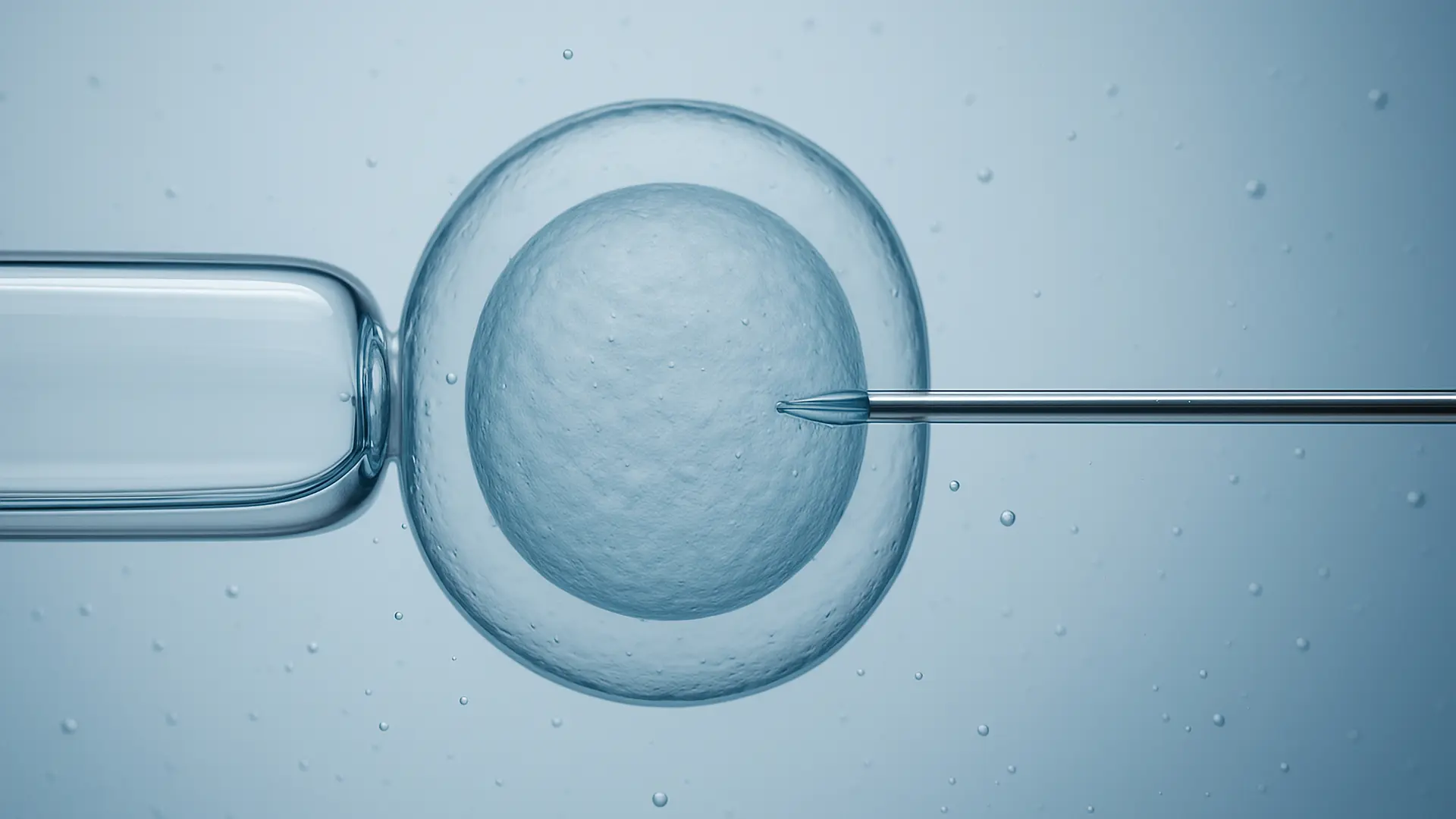
5. In Vitro Fertilization
Embryologists select the highest-quality eggs and sperm cells to perform the fertilization process.
Fertilization can be performed using two different methods:
- Conventional IVF
- Intracytoplasmic Sperm Injection (ICSI)
Today, the microinjection method is frequently preferred, especially for couples with male-factor infertility.
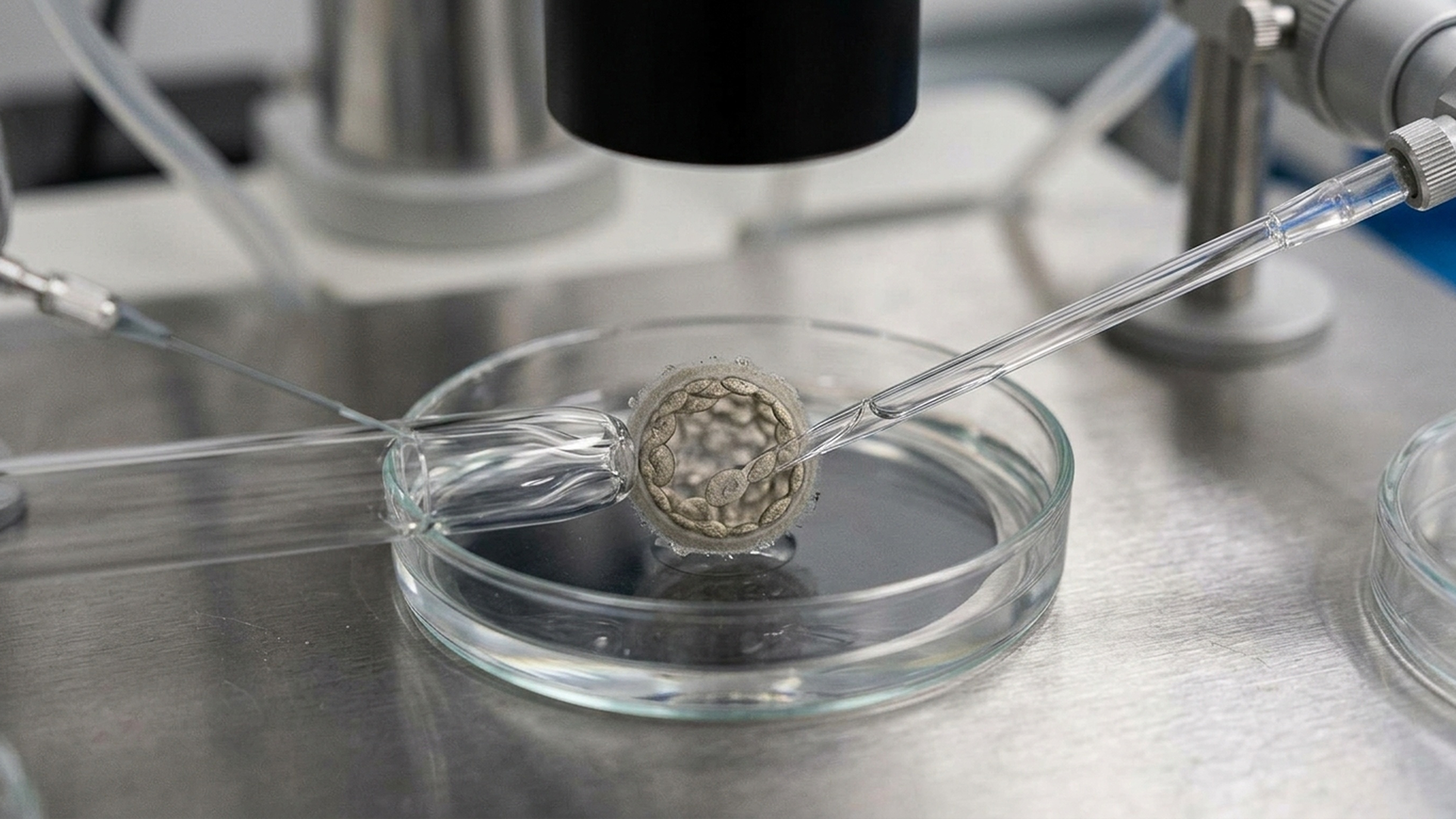
6. Monitoring Embryo Development
Fertilized eggs are left to develop in special incubators.
The embryology team evaluates the embryos’ development daily.
Generally, the optimal time for transfer is determined when the embryos reach the 3-day stage (rarely) or, more commonly, the 5-day stage (blastocyst).
In some cases, embryos may be frozen for transfer at a later date.
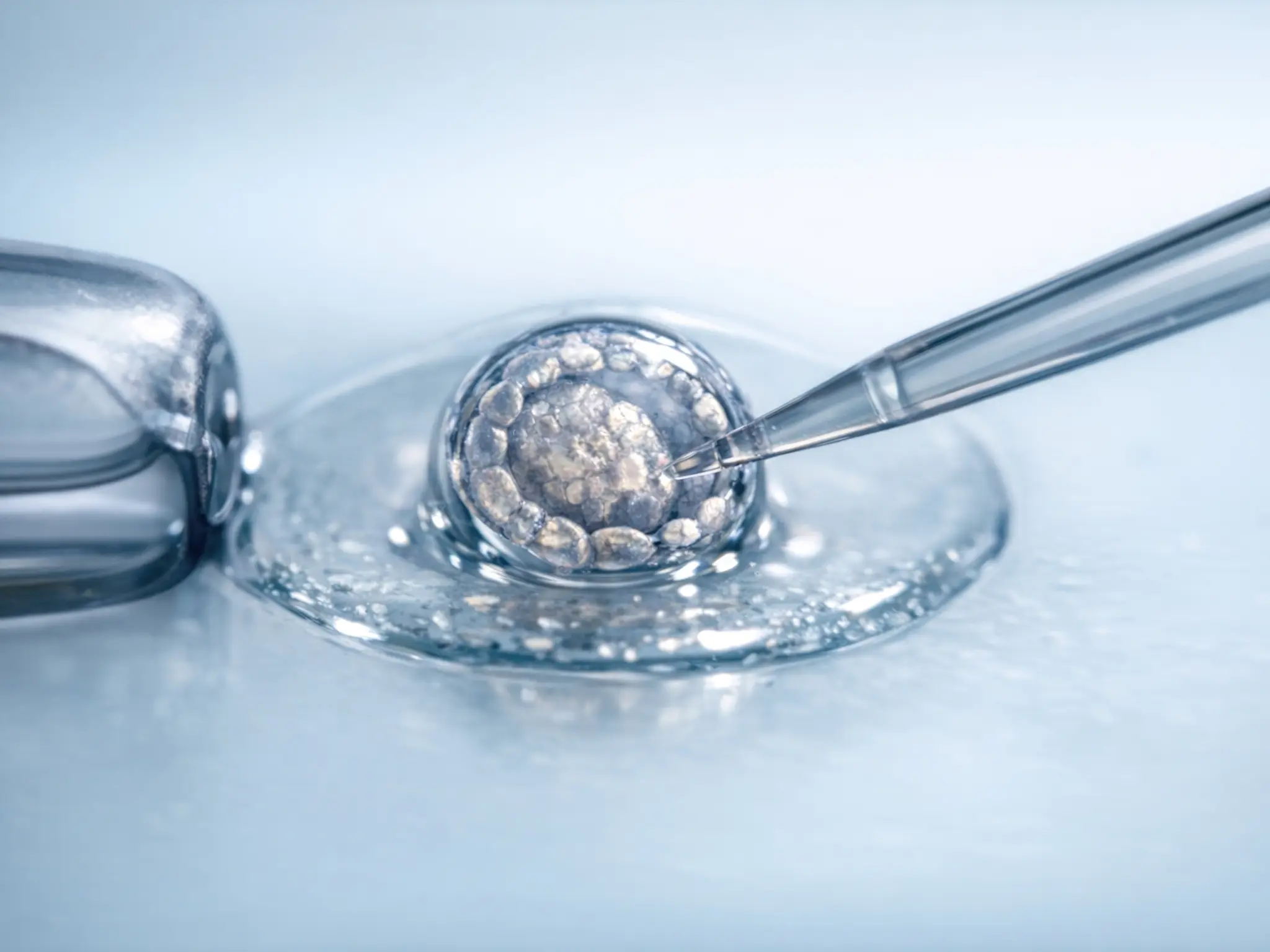
7. Embryo Transfer
Embryo transfer is one of the most important stages of in vitro fertilization (IVF) treatment.
The procedure does not require anesthesia and is generally painless.
The selected embryo is carefully placed into the uterus using a thin catheter.
After the transfer, the prospective mother rests for a short time and can return to her daily routine the same day.
8. Waiting Period
A waiting period of approximately 10–12 days begins after embryo transfer.
During this period, the medications prescribed by the doctor should be taken regularly, and recommended follow-up appointments should be attended.
The presence or absence of any symptoms does not indicate whether a pregnancy has occurred or not.
A definitive result can only be determined through a blood test for beta-hCG.
Factors Affecting Success in IVF Treatment
The success of the treatment depends on many factors:
- The prospective mother’s age
- Egg reserve and egg quality
- Sperm quality
- Embryo quality
- Uterine structure
- Laboratory technology used
- Experienced embryology team
- Personalized treatment plan
- Healthy lifestyle habits
For this reason, success rates may vary for each couple.
How Long Does the Treatment Process Take?
The time from the initial evaluation to the pregnancy test typically ranges from 4 to 6 weeks.
In some patients, this period may be extended due to additional treatments or embryo freezing procedures.
Is IVF Painful?
This is one of the questions couples ask most frequently.
Most of the treatment process proceeds in a way that does not affect daily life.
Since the egg retrieval procedure is performed under anesthesia, no pain is felt. Embryo transfer, on the other hand, is generally a quick and comfortable procedure, similar to a Pap smear.
Conclusion
IVF is a reliable and scientifically proven treatment method that helps many couples achieve a healthy pregnancy today. Early consultation, accurate diagnosis, personalized planning, and an experienced team are crucial to the success of the treatment.
If you’ve been trying to conceive for a long time without success, you can learn about the treatment options best suited for you through a specialist evaluation. Remember, every couple’s story is different, and taking that first step at the right time can be an important beginning on the path to the family you’ve always dreamed of.