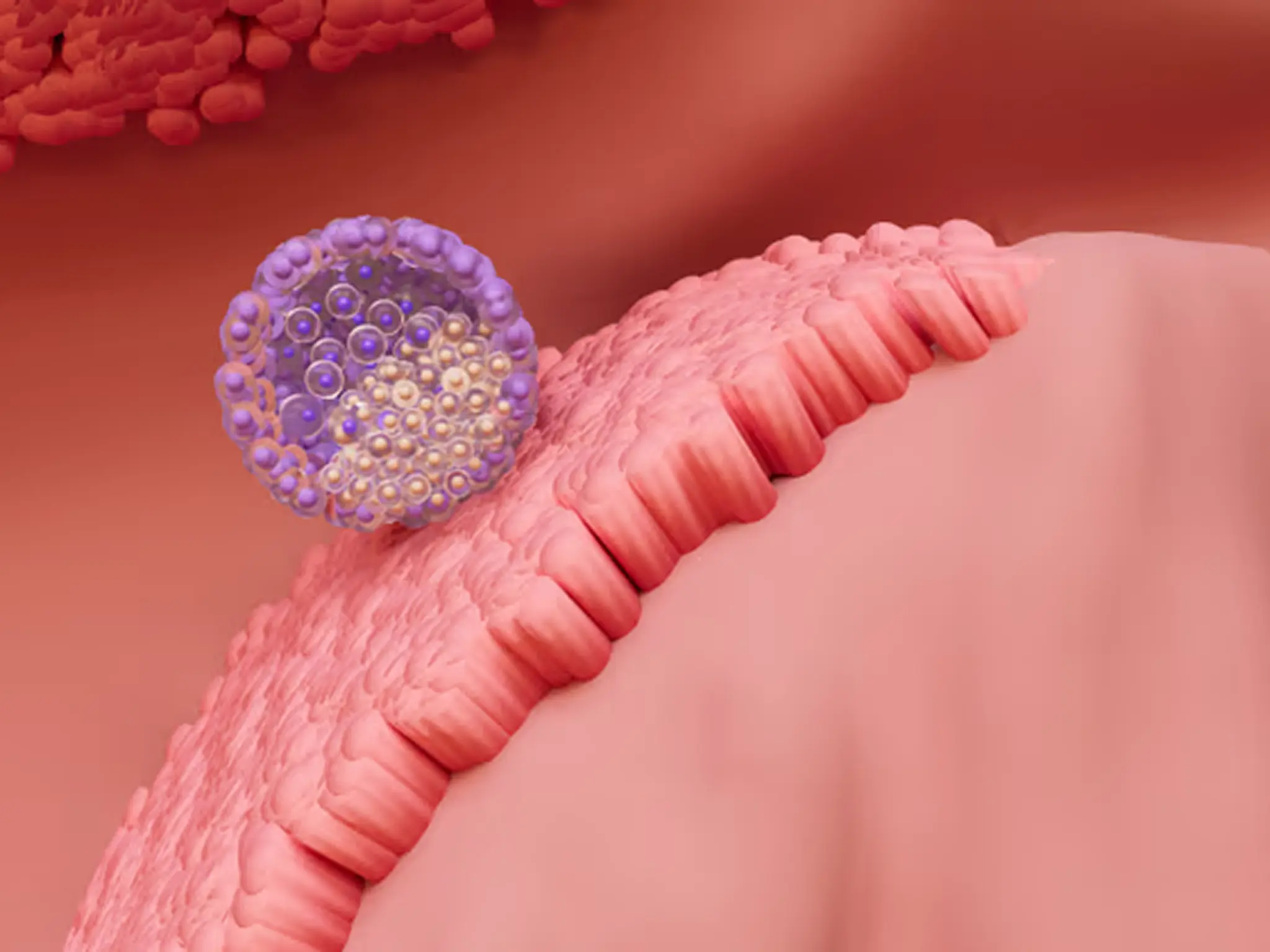
Embryo Glue
Embryo Adhesive (Embryo Glue) is a critical diagnostic and treatment step—planned using personalized approaches—that directly increases the chances of success in modern reproductive medicine and IVF procedures. At the Umay IVF Center, we conduct a detailed analysis of each couple’s medical history to determine the most appropriate treatment steps. What Is Embryo Glue and Why Is It Important? Embryo Glue applications aim to address the root causes of infertility and eliminate obstacles to pregnancy using scientific methods. Thanks to the international medical protocols we follow and our accredited laboratory standards, treatment begins at the optimal time and with the highest potential for success. “The most reliable path to success in…
Read more

Oligoasthenoteratozoospermia
Oligoastenoteratozoospermia (OAT) is a critical diagnostic and treatment phase planned using personalized approaches that directly increase the chances of success in modern reproductive medicine and IVF procedures. At the Umay IVF Center, we conduct a detailed analysis of each couple’s medical history to determine the most appropriate treatment steps. What Is Oligoastenoteratozoospermia (OAT) and Why Is It Important? Oligoastenoteratozoospermia (OAT) treatments aim to identify the root causes of infertility and eliminate obstacles to pregnancy using scientific methods. Thanks to the international medical protocols and accredited laboratory standards implemented at our clinic, treatment begins at the optimal time and with the highest potential for success. “The most reliable path to success…
Read more
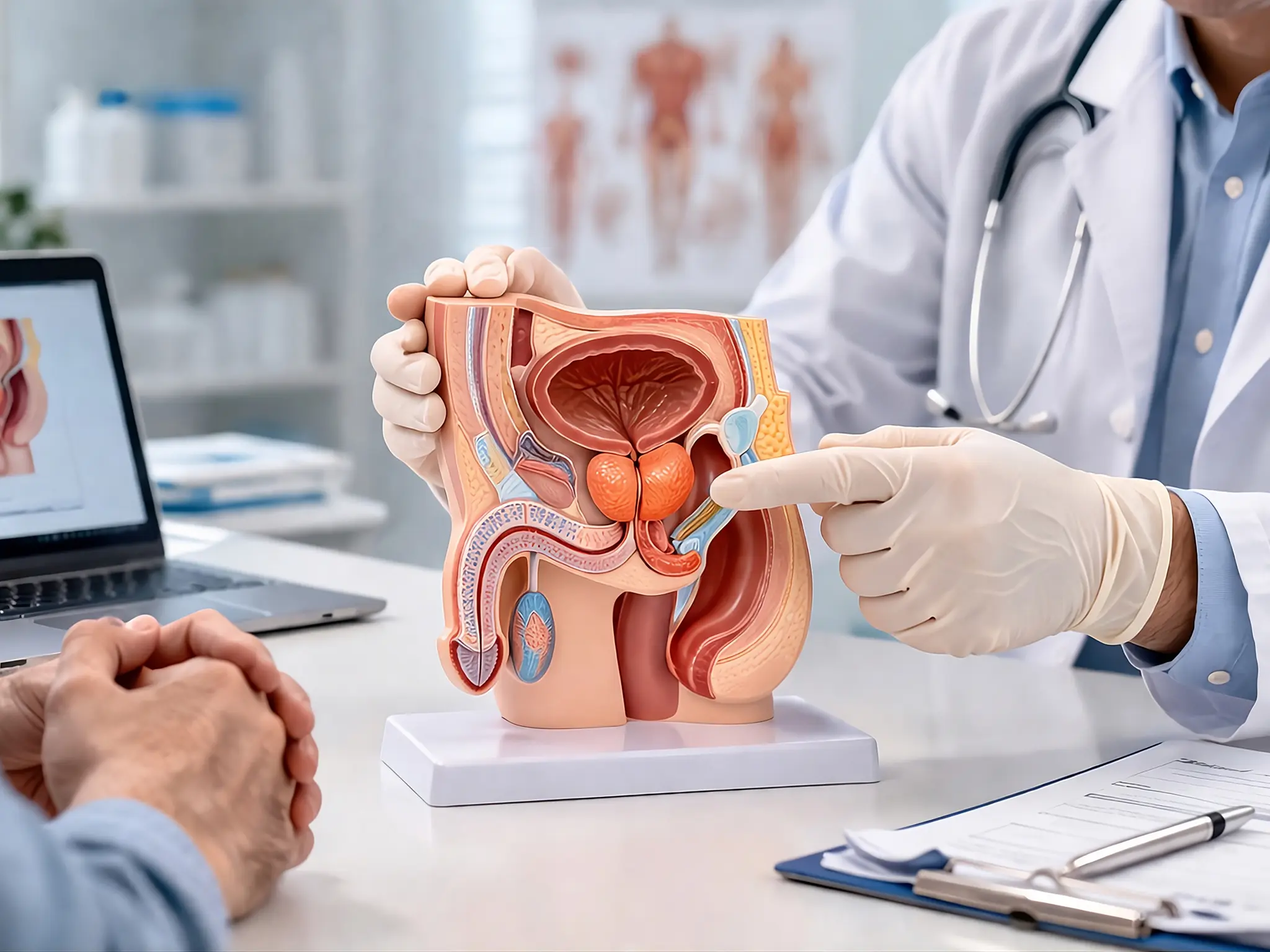
Erectile Dysfunction
Impotence (Erectile Dysfunction) is a critical diagnostic and treatment phase, planned using personalized approaches, that directly increases the chances of success in modern reproductive medicine and IVF procedures. At the Umay IVF Center, we conduct a detailed analysis of each couple’s medical history to determine the most appropriate treatment steps. What Is Erectile Dysfunction and Why Is It Important? Erectile dysfunction treatments aim to identify the root causes of factors leading to infertility and to eliminate obstacles to pregnancy using scientific methods. Thanks to the international medical protocols and accredited laboratory standards implemented at our clinic, treatment begins at the optimal time and with the highest potential for success. "The…
Read more

Premature Ejaculation
Premature Ejaculation is a critical diagnostic and treatment phase planned using personalized approaches that directly increase the chances of success in modern reproductive medicine and IVF procedures. At the Umay IVF Center, we conduct a detailed analysis of each couple’s medical history to determine the most appropriate treatment steps. What Is Premature Ejaculation (Early Ejaculation) and Why Is It Important? Premature ejaculation treatments aim to address the root causes of factors leading to infertility and to eliminate obstacles to pregnancy using scientific methods. Thanks to the international medical protocols and accredited laboratory standards implemented at our clinic, treatment is initiated at the optimal time and with the highest potential for…
Read more
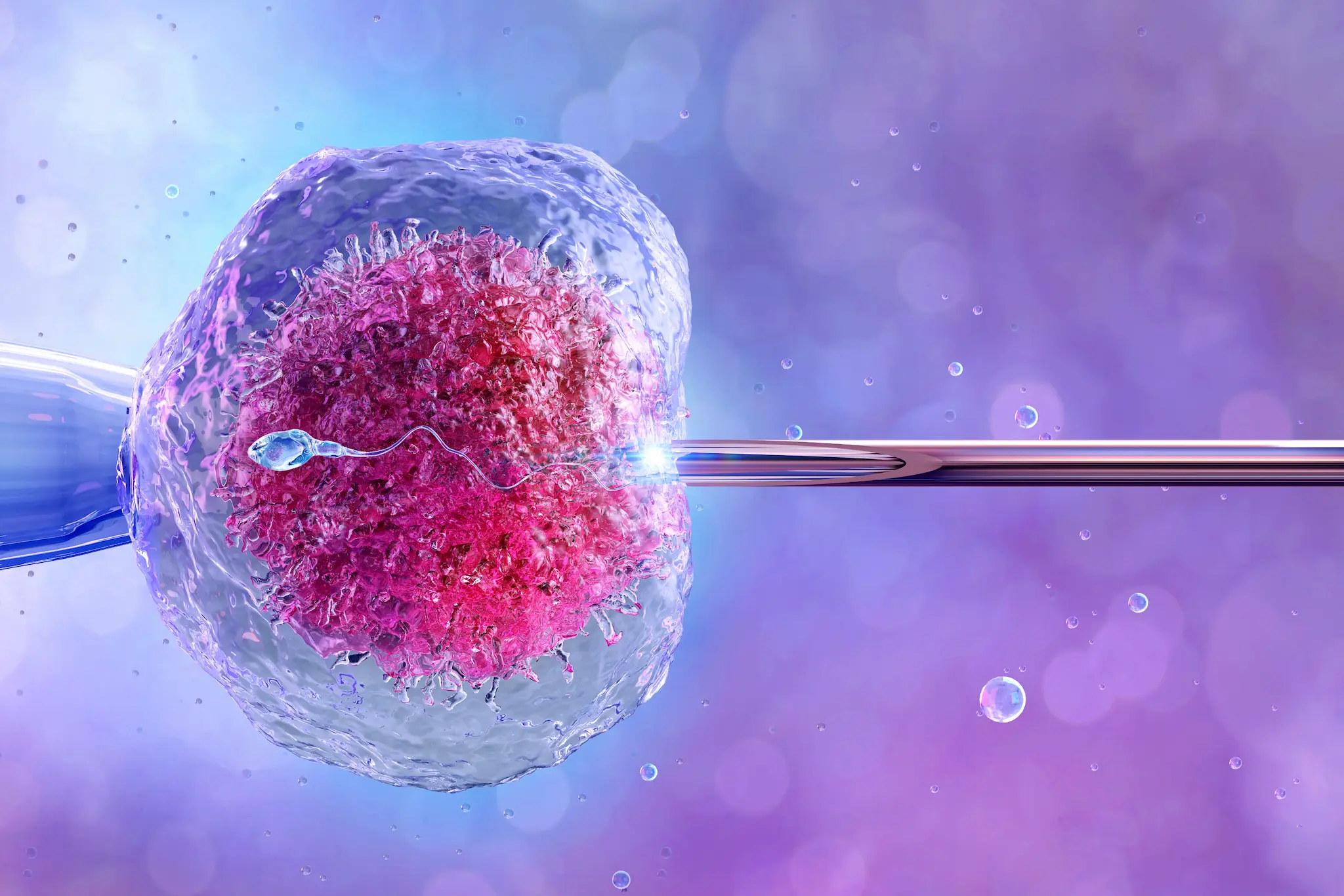
In Vitro Fertilization (IVF)
Modern IVF treatment that achieves the highest success rates, thanks to our world-class embryology laboratory and team of specialist physicians.
Read more
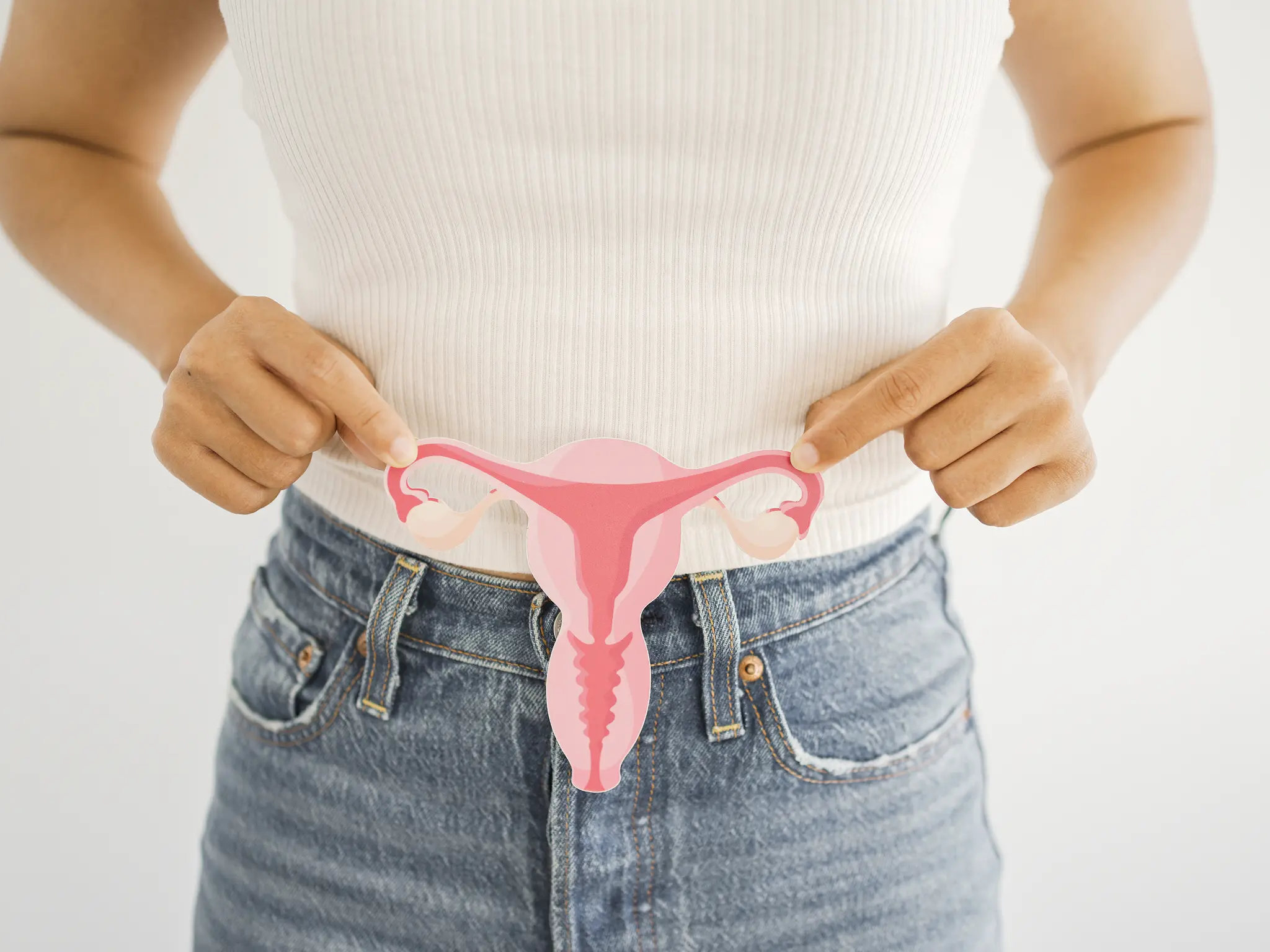
PMOS Treatment
Polycystic Ovary Syndrome (PCOS) is one of the conditions in which the chances of becoming a mother are highest with proper ovulation monitoring and personalized medication protocols.
Read more
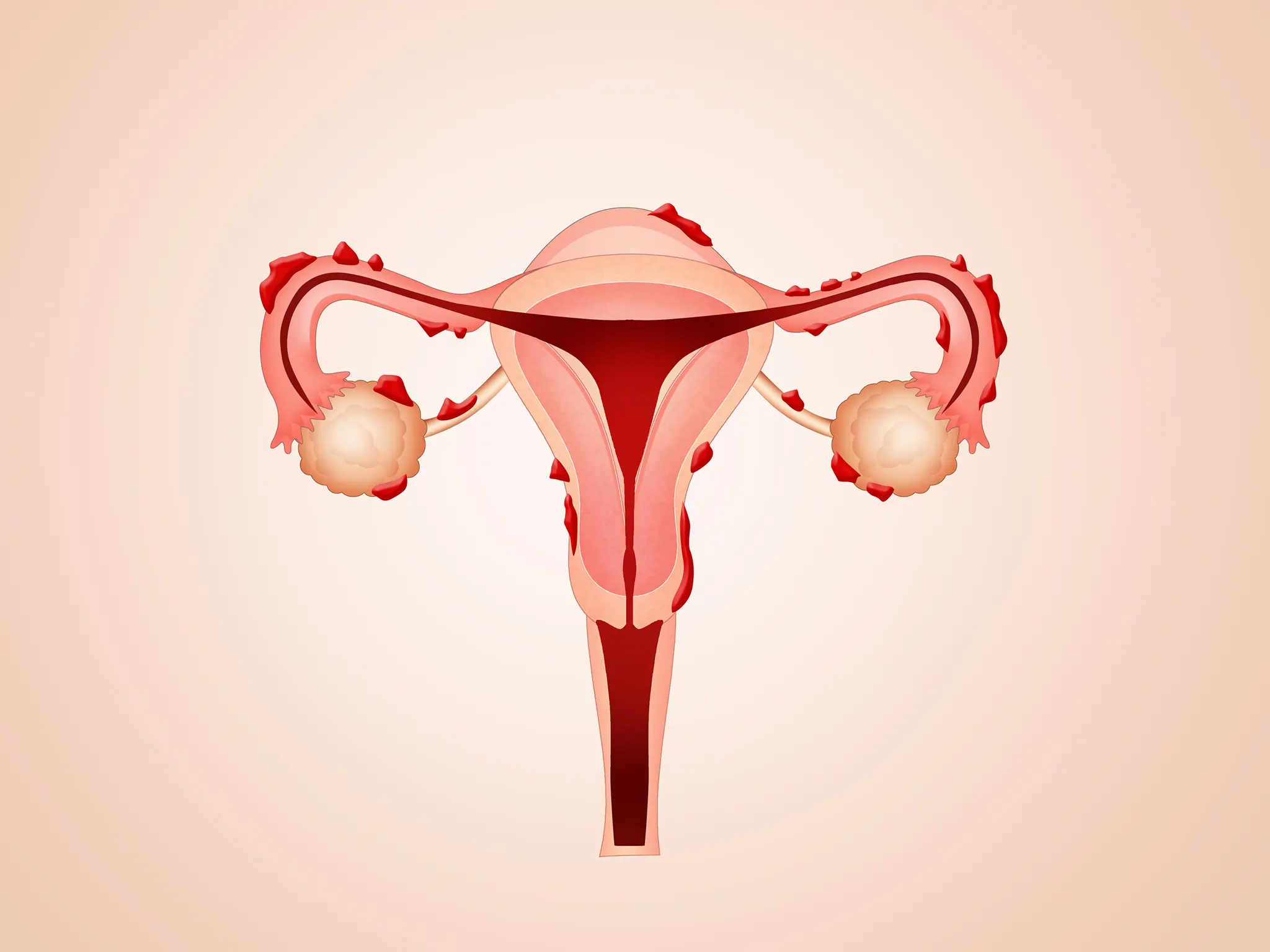
Endometriosis
Tailored solutions that combine surgery and IVF technologies for cases of chocolate cysts and deep endometriosis.
Read more
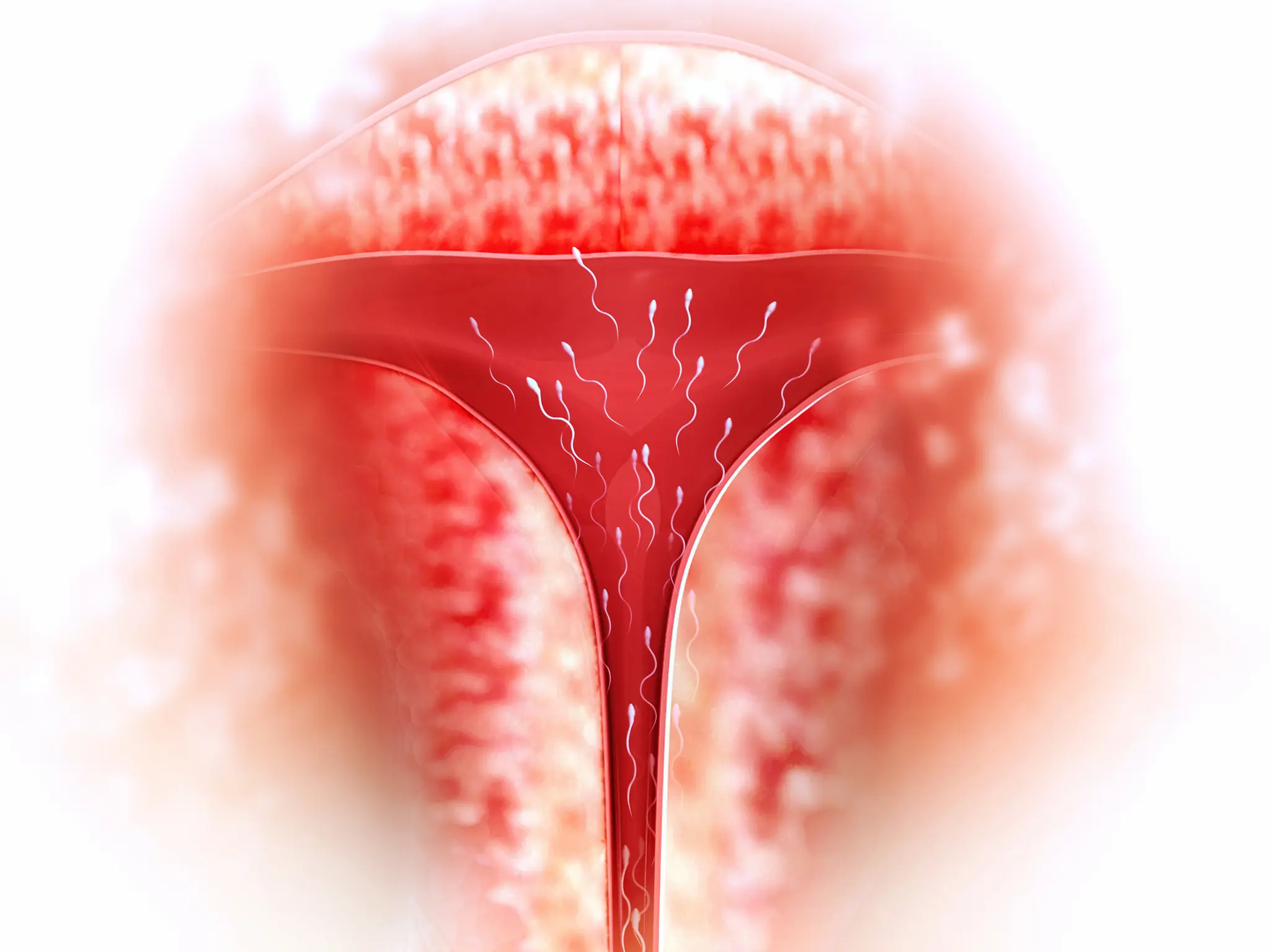
Artificial Insemination (IUI)
At Umay IVF Center, we’re here to support you with the latest medical technologies in the field of intrauterine insemination (IUI), our team of experienced specialists, and a personalized treatment plan.
Read more
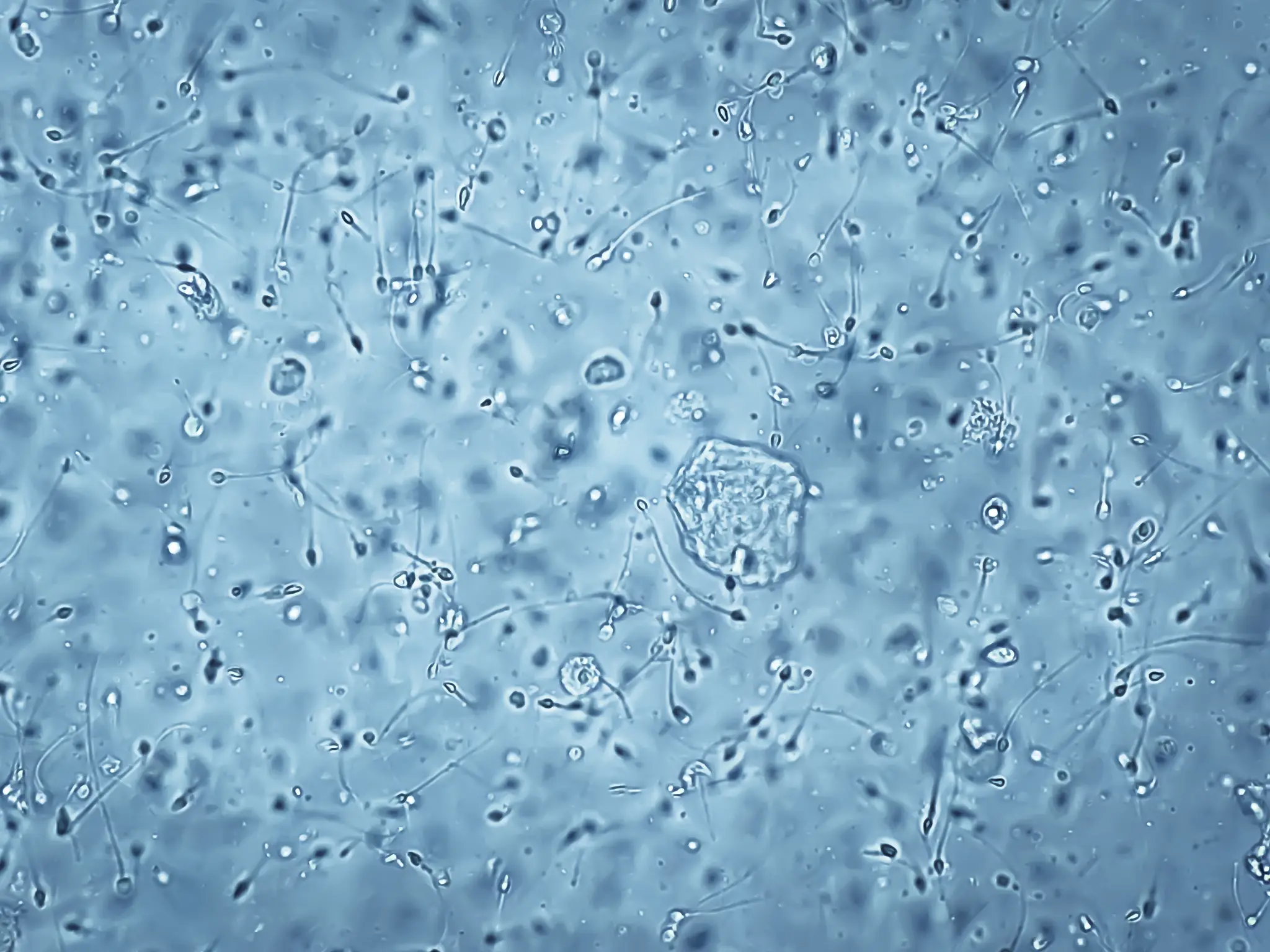
Spermiogram (Semen Analysis)
Computerized sperm analysis, morphology assessment, and advanced andrology tests in accordance with WHO 2021 standards.
Read more