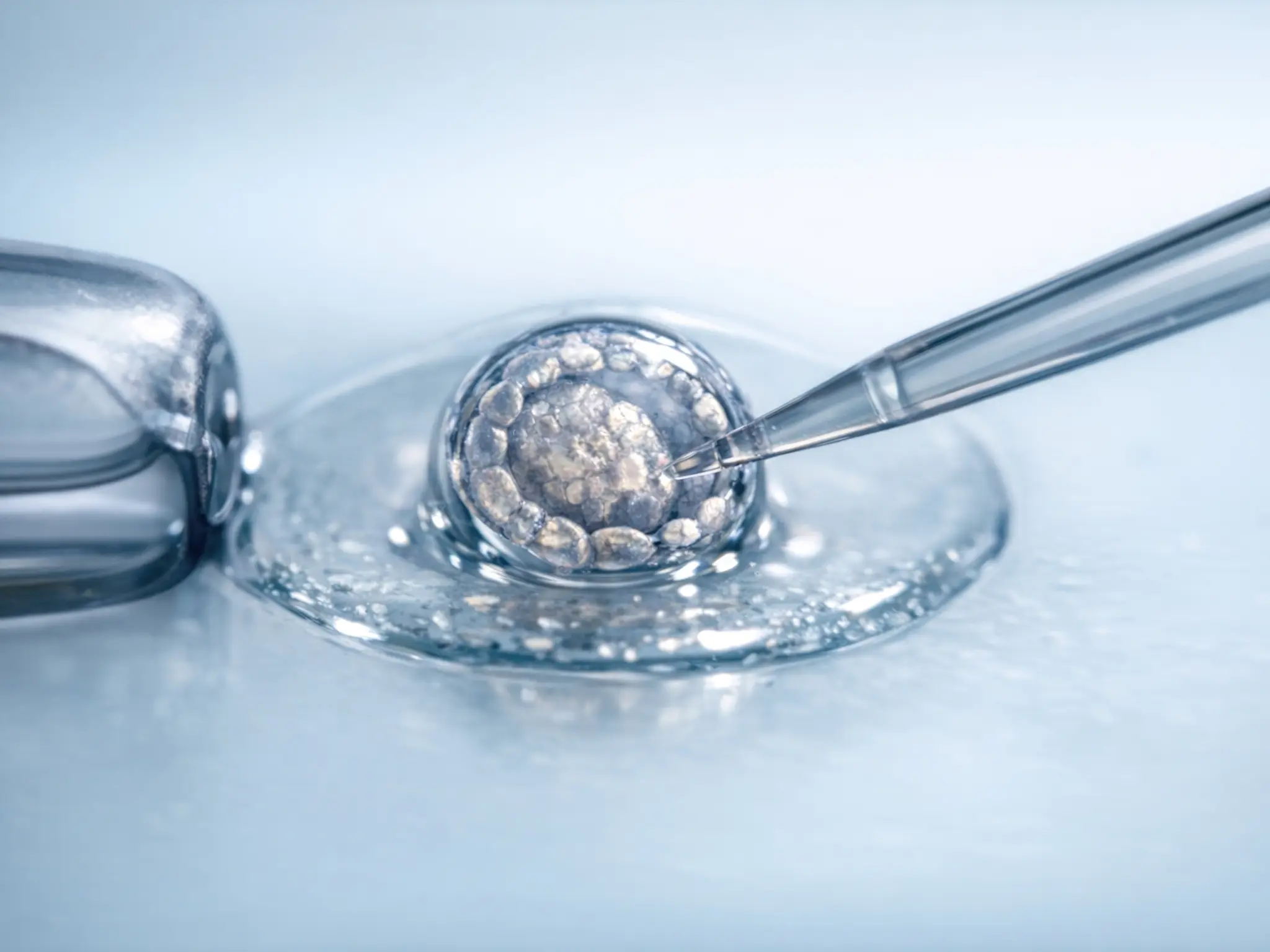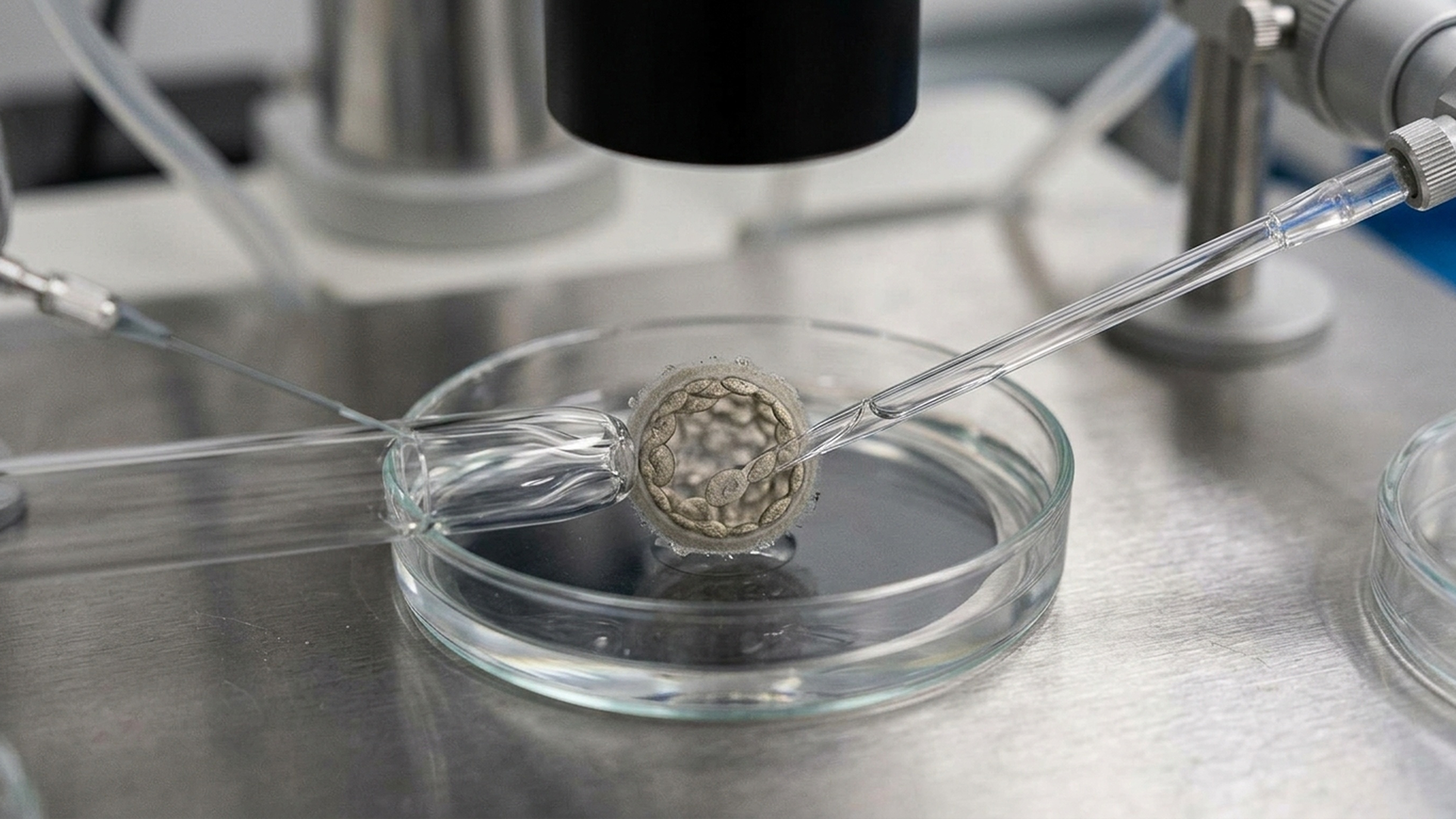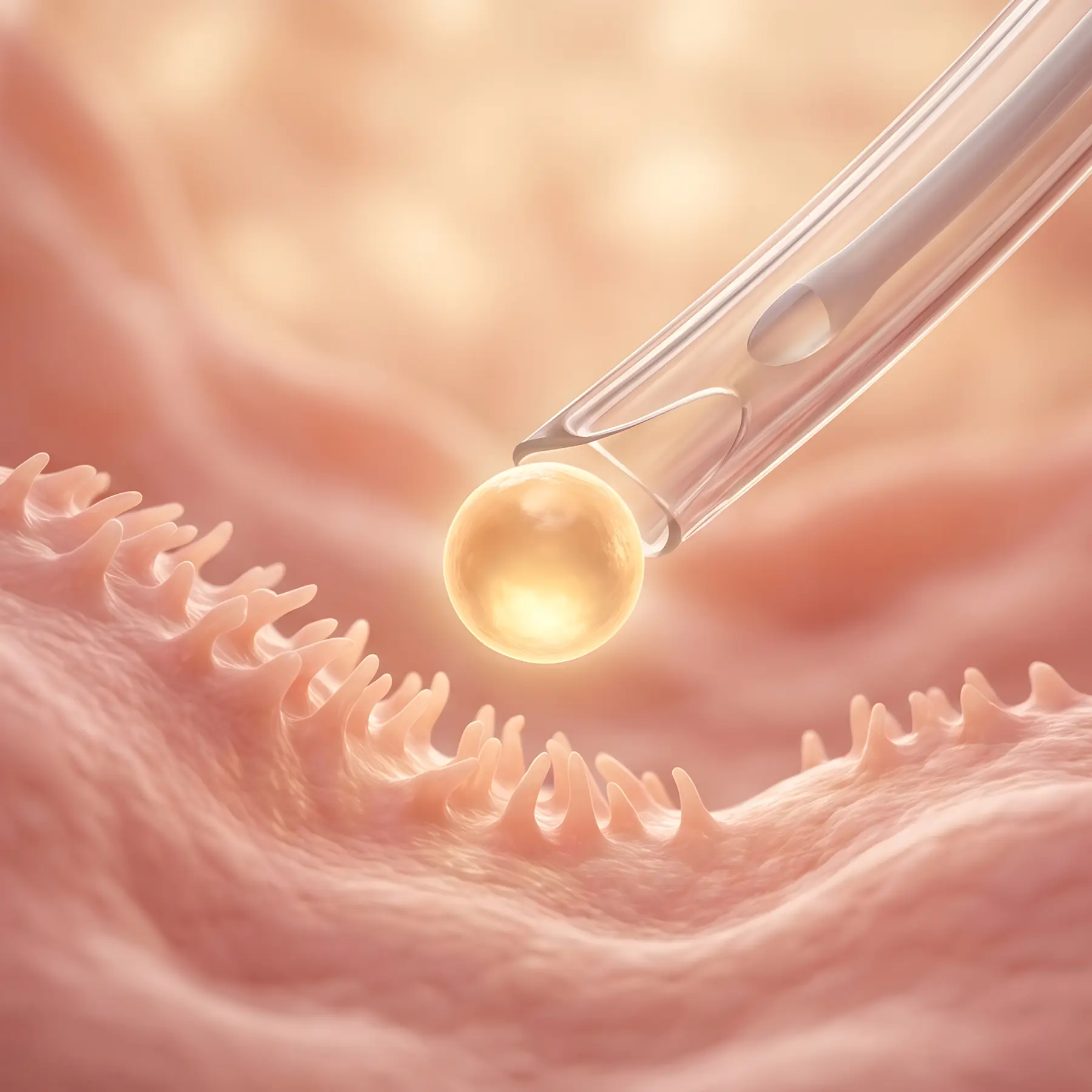
Embryo transfer is one of the most exciting stages of in vitro fertilization (IVF) treatment. The embryo, whose development is monitored in the laboratory, is transferred to the prospective mother’s uterus at the appropriate time, and then a waiting period of approximately 10 days begins to determine whether a pregnancy has occurred.
This period can be emotionally and physically sensitive for prospective mothers. Many questions come to mind, such as “Can I walk after the transfer?”, “What should I eat?”, “Can I go back to work?”, and “Are these symptoms normal?”
In this article, you’ll find key points to keep in mind during the first 10 days after embryo transfer, along with answers to frequently asked questions.
Why Are the First 10 Days After Embryo Transfer Important?
In the days following embryo transfer, the process of the embryo implanting into the uterine lining continues. This biological process can progress differently in every woman, and noticeable symptoms that can be observed from the outside may not always be present.
For this reason, it is important to adhere to the recommended treatment plan during this period, take your medications regularly, and follow your doctor’s advice.
1. Is It Possible to Return to Daily Life?
Yes.
After embryo transfer, most people can return to their daily lives the same day or the next day.
However, it is recommended to avoid strenuous physical activity on the first day.
Taking a light walk, moving around the house as usual, or returning to desk work is generally possible. However, since every patient’s situation is different, your doctor’s recommendations should take priority.
2. Is It Necessary to Rest in Bed for a Long Time?
Contrary to a common belief, there is no strong scientific evidence that staying in bed for days after embryo transfer increases the chances of pregnancy.
A short period of rest after the transfer is sufficient. Afterward, you can gradually resume your normal daily activities.
A balanced lifestyle should be preferred over excessive inactivity.
3. Medications Should Be Taken Regularly
Medications prescribed after embryo transfer are intended to support a uterine environment conducive to pregnancy.
Therefore:
- Medications should be taken at the recommended times.
- The dosage should not be altered.
- Medications should not be discontinued without a doctor’s recommendation.
It is important to remember that every stage of the treatment is planned as a whole.
4. Pay Attention to Your Diet
There is no special “miracle diet” to follow after embryo transfer.
However, eating a healthy and balanced diet is important for overall health.
Recommended foods:
- Seasonal fruits and vegetables
- Whole grains
- High-quality protein sources
- Adequate fluid intake
- Fermented foods such as yogurt and kefir
You should avoid highly processed foods, products high in sugar, and unnecessary supplements.
You must consult your doctor before using any vitamins or herbal products.
5. Avoid Strenuous Exercise
After the transfer:
- Strenuous sports
- Intense weight training
- Exercises that involve jumping
- Movements that strain the abdominal area
are not recommended.
However, if your doctor approves, light-paced walks can contribute to your overall well-being.
6. Avoid Smoking and Alcohol
Smoking and alcohol can have negative effects on both general health and reproductive health.
It is recommended to avoid these substances after the transfer.
It is also important to keep caffeine consumption within the limits recommended by your doctor.
7. While It May Not Be Possible to Eliminate Stress Completely, Managing It Is Important
The waiting period can be emotionally challenging for many couples.
During this time:
- Get enough sleep
- Go for a light walk
- Read a book
- Spending time doing activities you enjoy
- Seeking support from those close to you
can help you relax.
If you find yourself constantly monitoring your symptoms, remember that this can increase your anxiety.
8. Which Symptoms Are Considered Normal?
Not every woman experiences the same symptoms after embryo transfer.
Some expectant mothers may not experience any symptoms at all.
Possible symptoms include:
- Mild cramping in the lower abdomen
- Light spotting
- Breast tenderness
- Mild bloating
- A feeling of fatigue
may occur.
These symptoms alone do not necessarily indicate whether or not you are pregnant.
When Should You See Your Doctor?
It is important to contact your healthcare team immediately in the following situations:
- Severe abdominal pain
- Heavy vaginal bleeding
- High fever (>38°C)
- Shortness of breath
- Severe nausea and vomiting
- Sudden abdominal swelling
- Feeling faint
While these symptoms do not always indicate a serious problem, they always require evaluation by a specialist.
When Should a Pregnancy Test Be Taken?
One of the most common mistakes made after embryo transfer is taking a home pregnancy test too early.
Certain medications administered after the transfer or tests performed too early can lead to misleading results.
A definitive diagnosis should be made with a beta-hCG (blood pregnancy test) performed on the date recommended by your doctor.
It is not accurate to make assumptions about pregnancy based solely on symptoms.
Situations to Avoid During the First 10–12 Days
During this period, it is recommended to avoid the following situations as much as possible:
- Lifting heavy objects
- Taking medication without a doctor’s approval
- Activities requiring intense physical exertion
- Smoking and alcohol consumption
- Staying in extremely hot environments for long periods (such as saunas, steam rooms, or hot tubs)
- Using herbal products or supplements without a doctor’s recommendation
Result
The first 10–12 days following embryo transfer are a crucial part of IVF treatment. During this period, maintaining a balanced diet, taking medications as prescribed, avoiding strenuous physical activity, and following your doctor’s recommendations will help ensure your treatment plan progresses smoothly.
Every prospective mother’s experience is unique. Symptoms can vary from person to person and do not, on their own, indicate the presence or absence of pregnancy. Therefore, rather than relying on information found online, the best approach is to follow the guidance of the specialist team monitoring your care.
Remember, IVF treatment is a journey that requires patience and trust. With accurate information, regular follow-ups, and expert support, you can navigate this process more confidently and comfortably.