One of the top questions on the minds of couples planning to have a child before starting IVF treatment is, “What is the IVF success rate?” However, there is no single answer to this question. This is because the success of IVF treatment varies depending on many factors, such as the couple’s age, health status, embryo quality, laboratory technology, the team’s experience,
and the treatment methods used.
Thanks to advances in assisted reproductive technologies, IVF success rates have increased significantly compared to the past. However, every couple’s story is different, and the chances of success must be evaluated on a case-by-case basis.
In this article, we discuss in detail the most important factors affecting the success of IVF treatment.
What Is the IVF Success Rate?
The IVF success rate refers to the probability of a healthy pregnancy developing after embryo transfer and resulting in a live birth.
While success is often viewed in society simply as a positive pregnancy test, from a medical perspective, the most important goal is the birth of a healthy baby.
Therefore, when evaluating success:
- The establishment of a pregnancy
- The pregnancy continuing healthily
- Resulting in a live birth
are considered together.
1. The Prospective Mother’s Age
One of the most important factors determining success in IVF treatment is the age of the prospective mother.
As women age, both the number and quality of eggs naturally decline. This decline accelerates particularly after age 35, and the chances of pregnancy may decrease more significantly at age 40 and older.
Although this process does not progress the same way for every woman, age is a key factor in treatment planning.
For this reason, couples planning a pregnancy are advised not to delay evaluation.
2. Egg Quality and Egg Reserve
High-quality eggs are essential for successful embryo development.
Egg reserve;
- AMH test
- Ultrasound evaluation
- Hormone tests
.
Rather than a high number of eggs, the health and fertility potential of the retrieved eggs are more important for success.
In some patients, high-quality embryos can be obtained even if the number of eggs is low.
3. Sperm Quality
Healthy sperm cells are crucial for pregnancy to occur.
The main criteria evaluated in a semen analysis are as follows:
- Sperm count
- Motility
- Morphology (shape)
- DNA integrity
In cases of male-factor infertility, successful outcomes can be achieved using advanced techniques such as intracytoplasmic sperm injection (ICSI).
4. Embryo Quality
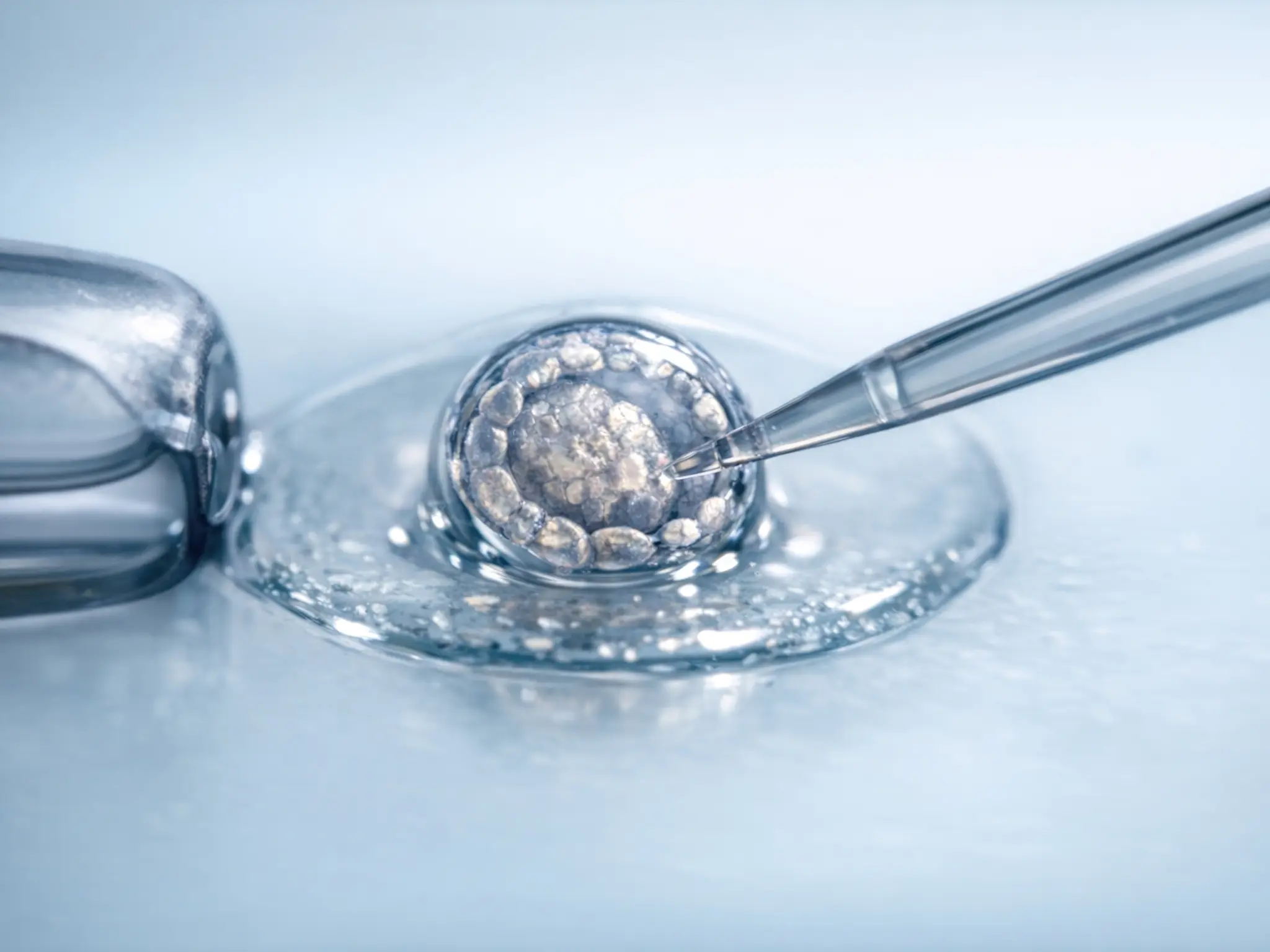
Embryo quality is one of the most important determinants of IVF treatment.
Embryos developing in the laboratory:
- Cell count
- Cell structure
- Division rate
- Development pattern
are evaluated based on criteria such as these.
Embryos showing healthy development are more likely to implant in the uterus.
For some couples, embryo transfer can be planned after the embryos are also evaluated genetically.
5. Uterine Health
Just as the quality of the embryo is important, so is the uterus being suitable for accepting the embryo.
The following conditions found within the uterus:
- Polyps
- Fibroids
- Adhesions
- Congenital anatomical differences
may affect the ability to conceive.
If necessary, the uterine cavity can be evaluated using methods such as hysteroscopy to prepare it for treatment.
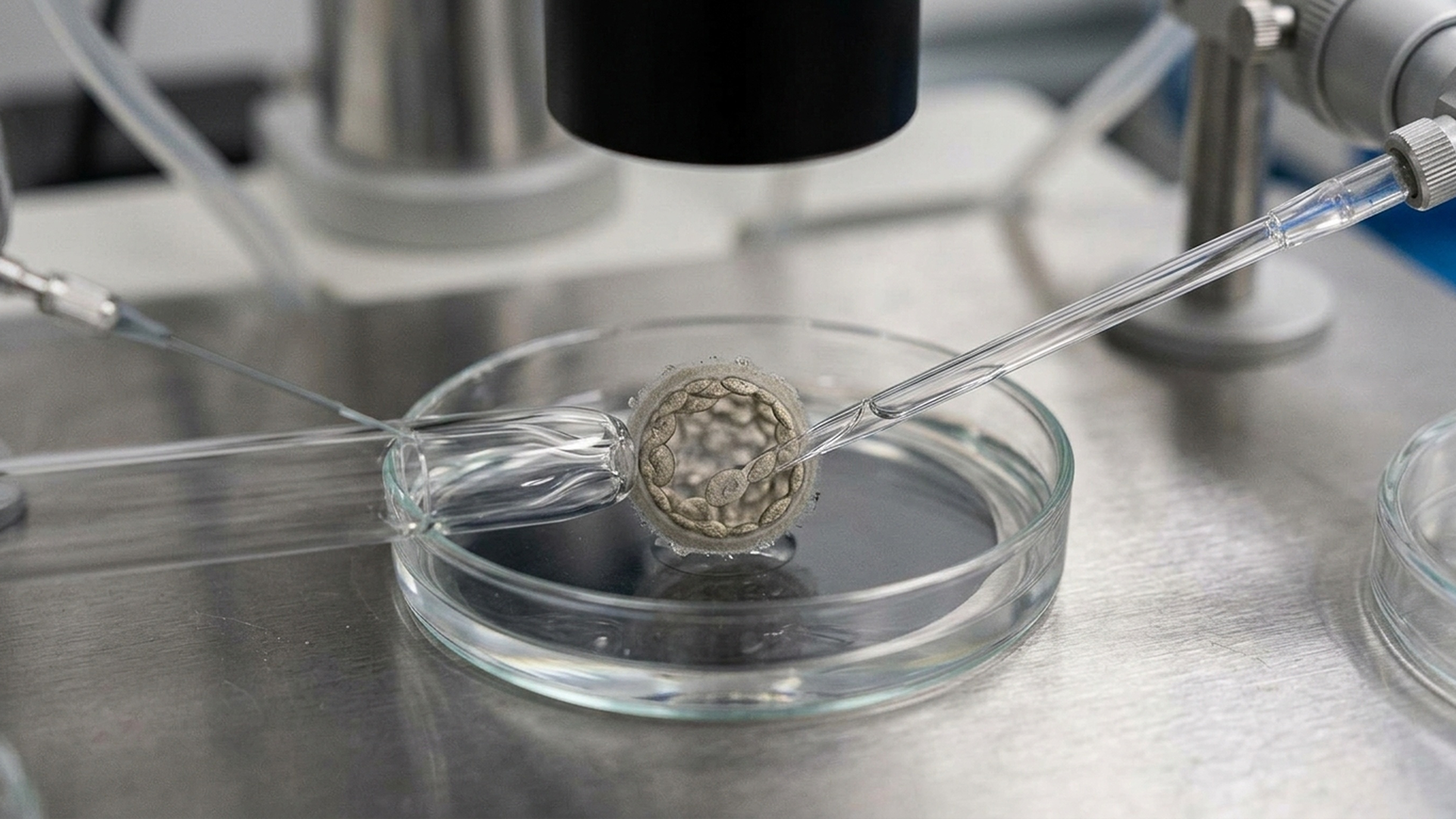
6. Quality of the Embryology Laboratory
In a successful IVF treatment, not only the doctor’s experience but also the technological infrastructure of the embryology laboratory plays a major role.
The following are used in the laboratory:
- Incubator systems
- Air filtration
- Temperature and humidity control
- Micromanipulation devices
can directly affect embryo development.
Modern laboratory conditions support embryo development in an environment as close as possible to their natural habitat.
7. Personalized Treatment Planning
The same treatment protocol is not applied to every couple.
When creating a treatment plan:
- Age
- Egg reserve
- Previous treatments
- Hormone levels
- Male factor
- Medical history
are evaluated together.
A personalized treatment plan is one of the key factors that increase the chances of success.
8. Healthy Lifestyle Habits
Lifestyle can also affect IVF success.
Before treatment:
- Quitting smoking
- Limiting alcohol consumption
- Eating a healthy diet
- Getting regular sleep
- Reaching a healthy weight
- Regular exercise
can have a positive impact on both women’s and men’s reproductive health.
It is also important not to take any vitamins or supplements without a doctor’s recommendation.
9. Conditions Requiring Genetic Evaluation
Some couples may experience repeated failed IVF attempts or recurrent pregnancy losses.
In such cases, genetic testing of embryos may be planned for appropriate patients.
Genetic testing is not necessary for every patient and is recommended only following an expert evaluation.
10. Adherence to Treatment and Regular Follow-Up
In a successful treatment process, it is of great importance for couples to fully comply with their doctor’s recommendations.
Taking medications at the correct times, keeping all follow-up appointments, and ensuring the treatment process proceeds as planned can positively influence success.
What Can You Do to Increase Your Chances of Success?
The following recommendations may be helpful during the preparation process for IVF treatment:
- Do not postpone your pregnancy plans for too long
- Adopt healthy lifestyle habits
- Attend regular doctor’s appointments
- Ensure that any chronic conditions are well-managed
- Take prescribed medications regularly throughout the treatment process
- Do not hesitate to seek psychological support when needed
It is important to remember that every couple’s treatment process is unique, and individual assessment is of great importance.
Common Misconceptions About IVF Success Rates
“Being young alone guarantees success.”
No. While age is an important factor, egg quality, sperm quality, uterine health, and embryo development also influence success.
“If pregnancy doesn’t occur on the first attempt, there’s no hope left.”
This is not true. Many couples achieve successful outcomes on their second or subsequent treatment cycles. Each attempt can be re-planned based on the information gained from previous treatments.
“You need to stay in bed for days to rest.”
There is no strong scientific evidence that prolonged bed rest after embryo transfer increases the success rate. It is sufficient to follow your doctor’s recommendations.
Conclusion
The success of IVF treatment does not depend on a single factor. The prospective mother’s age, egg and sperm quality, embryo development, uterine health, laboratory technology, and personalized treatment planning must all be evaluated together.
The most appropriate approach is to conduct a detailed evaluation before starting treatment and to create a roadmap tailored to the couple’s needs. Thanks to advanced assisted reproductive technologies available today, many couples are able to fulfill their dream of having a child with the right treatment plan at the right time.